
Complex Case File #001
The 17-HMO Portfolio Turnaround
How we took over a distressed 110-room portfolio, resolved major compliance and tenant issues, and restored full occupancy.
At a glance...
Metric
At takeover
outcome
Properties
17 HMOs
Rooms
110
110
Occupancy
76% physical occupancy
100%
Income performance
68%
stabilised and optimised
Portfolio gross income
£36,000 pcm
£57,000 pcm
Time
7 days from instruction to takeover
The Background
When we were instructed to take over management of this 17-property HMO portfolio, the situation was already critical.
The landlord had been through three consecutive failed rent-to-rent operators over a 10–12 year period, leaving the portfolio in severe operational, physical and commercial distress.
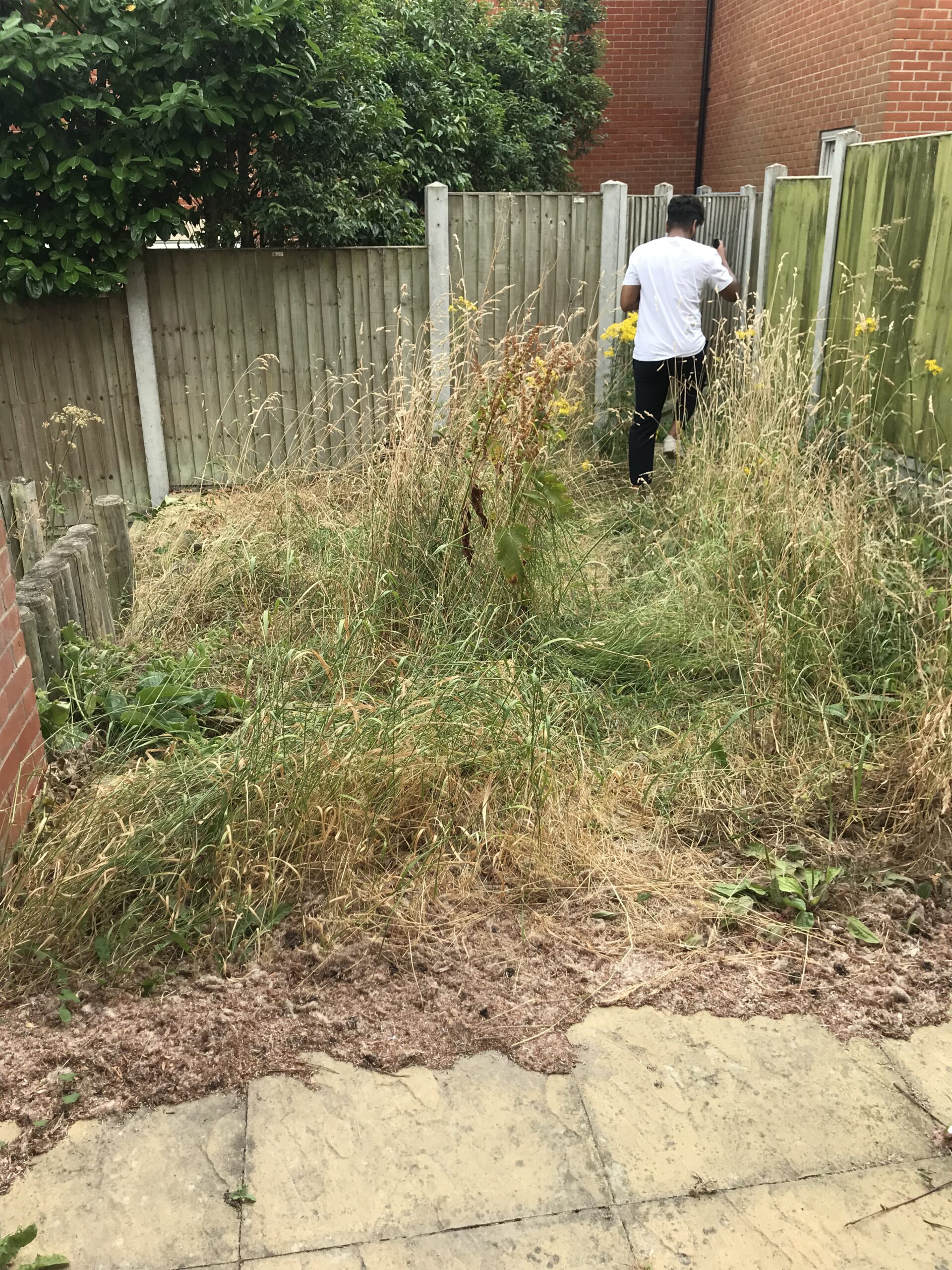
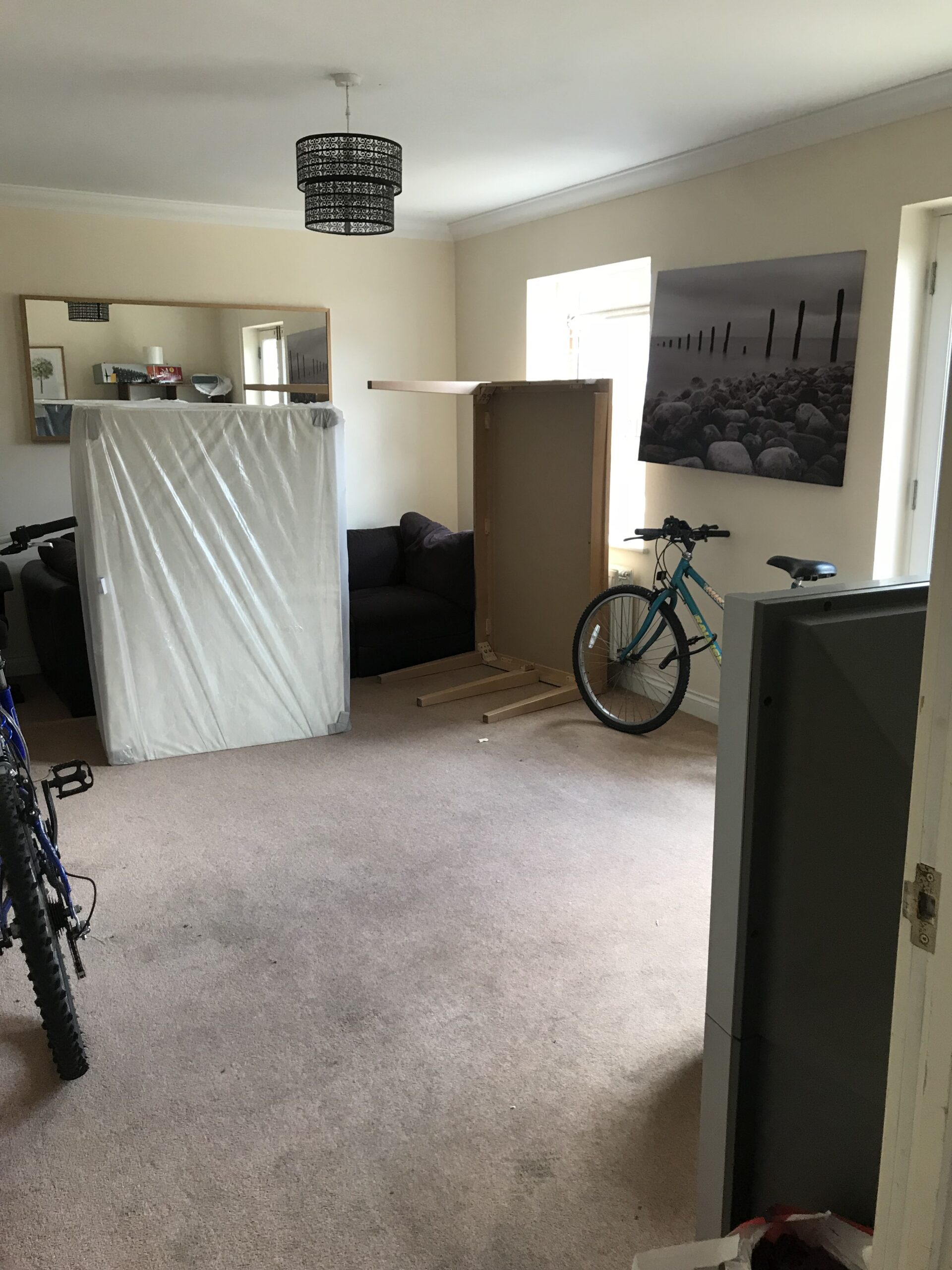
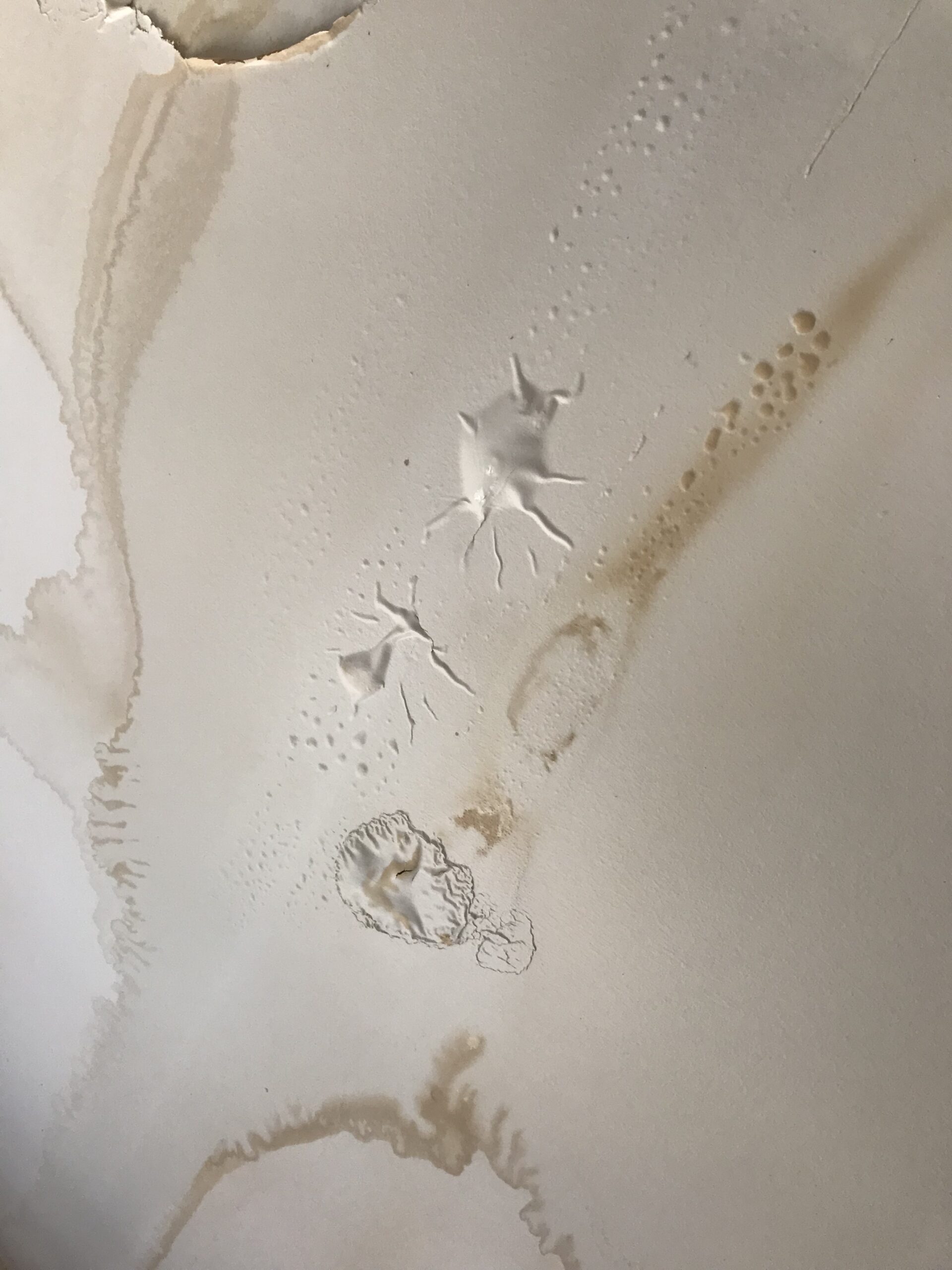
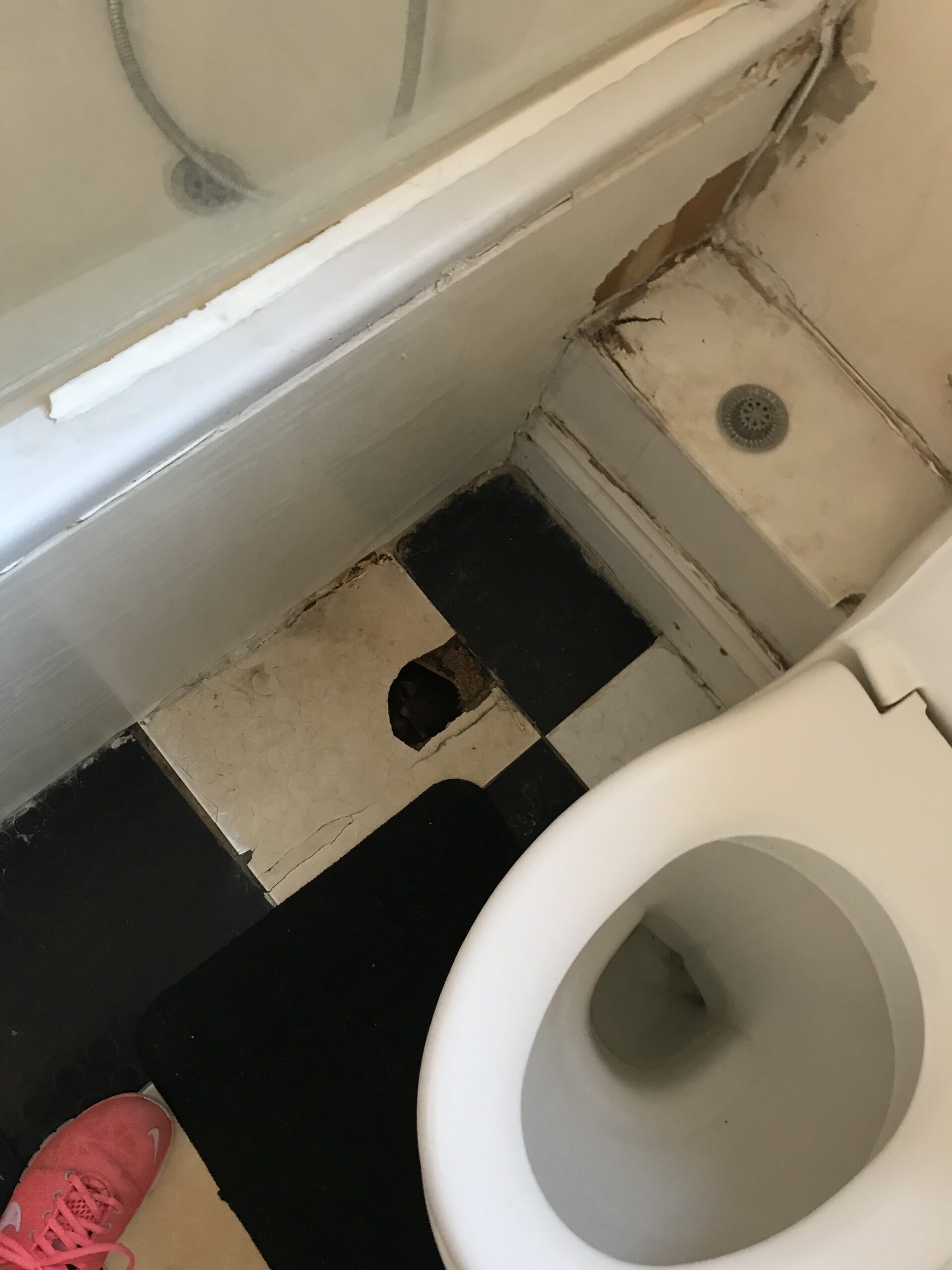
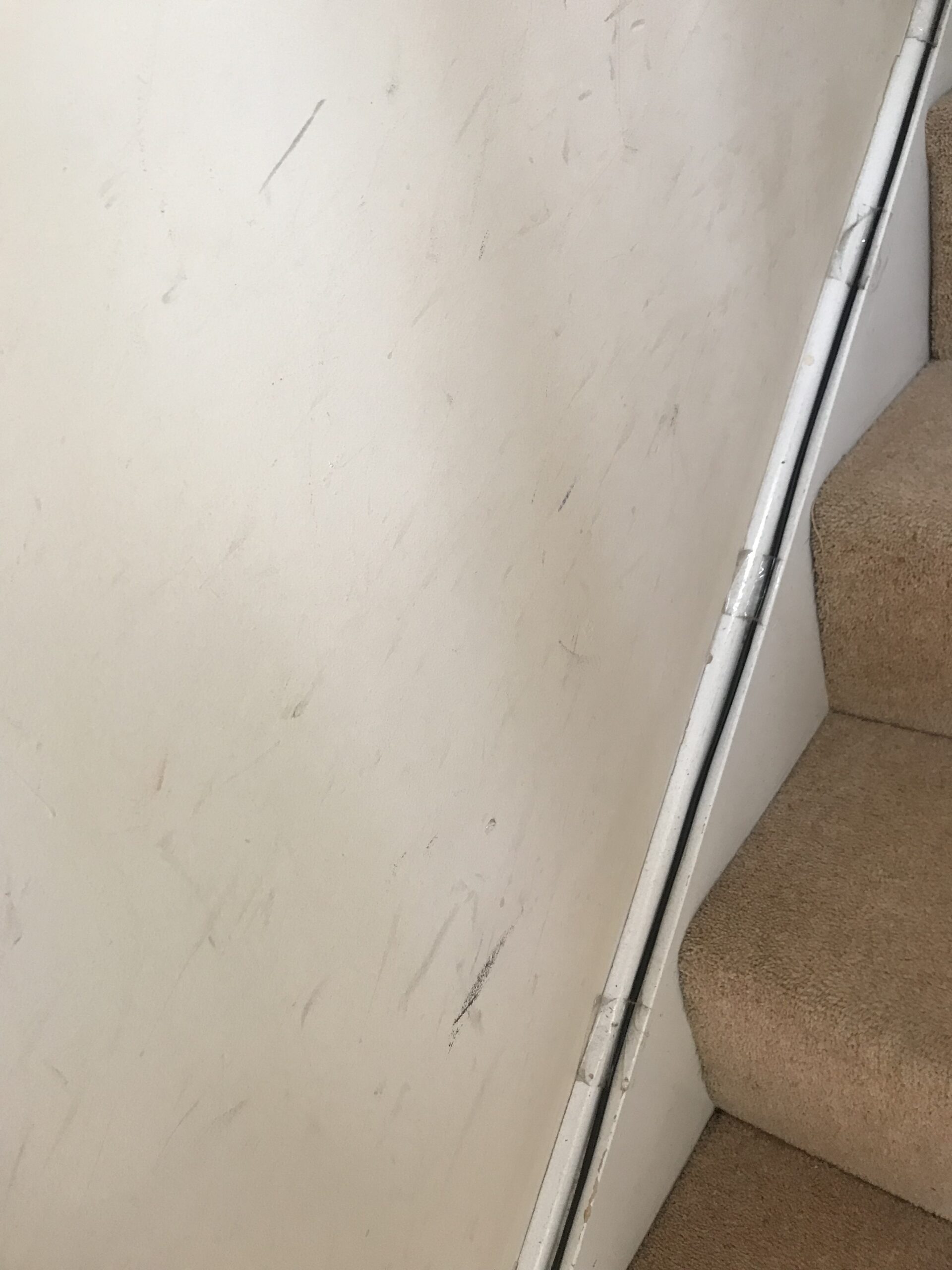
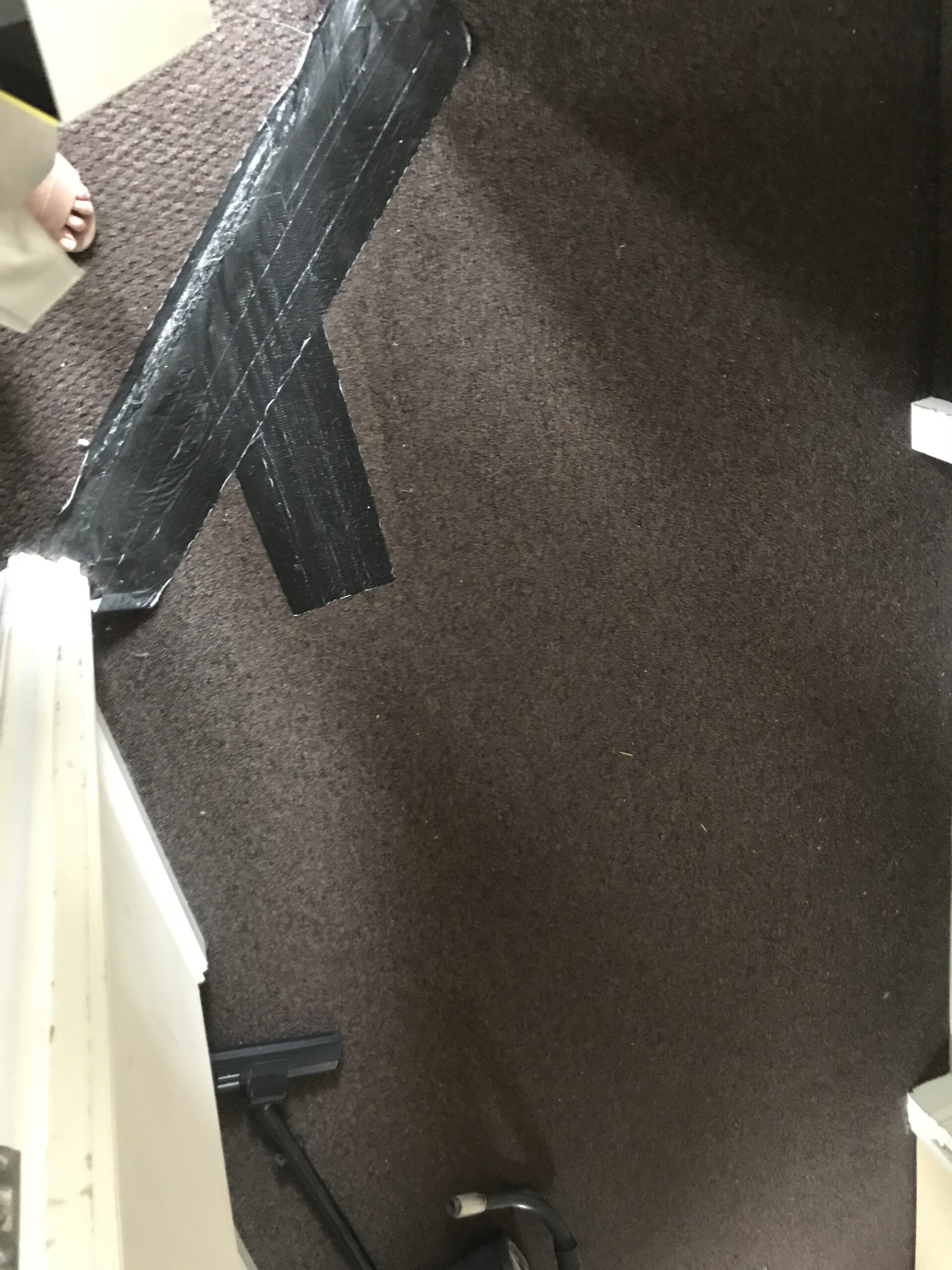
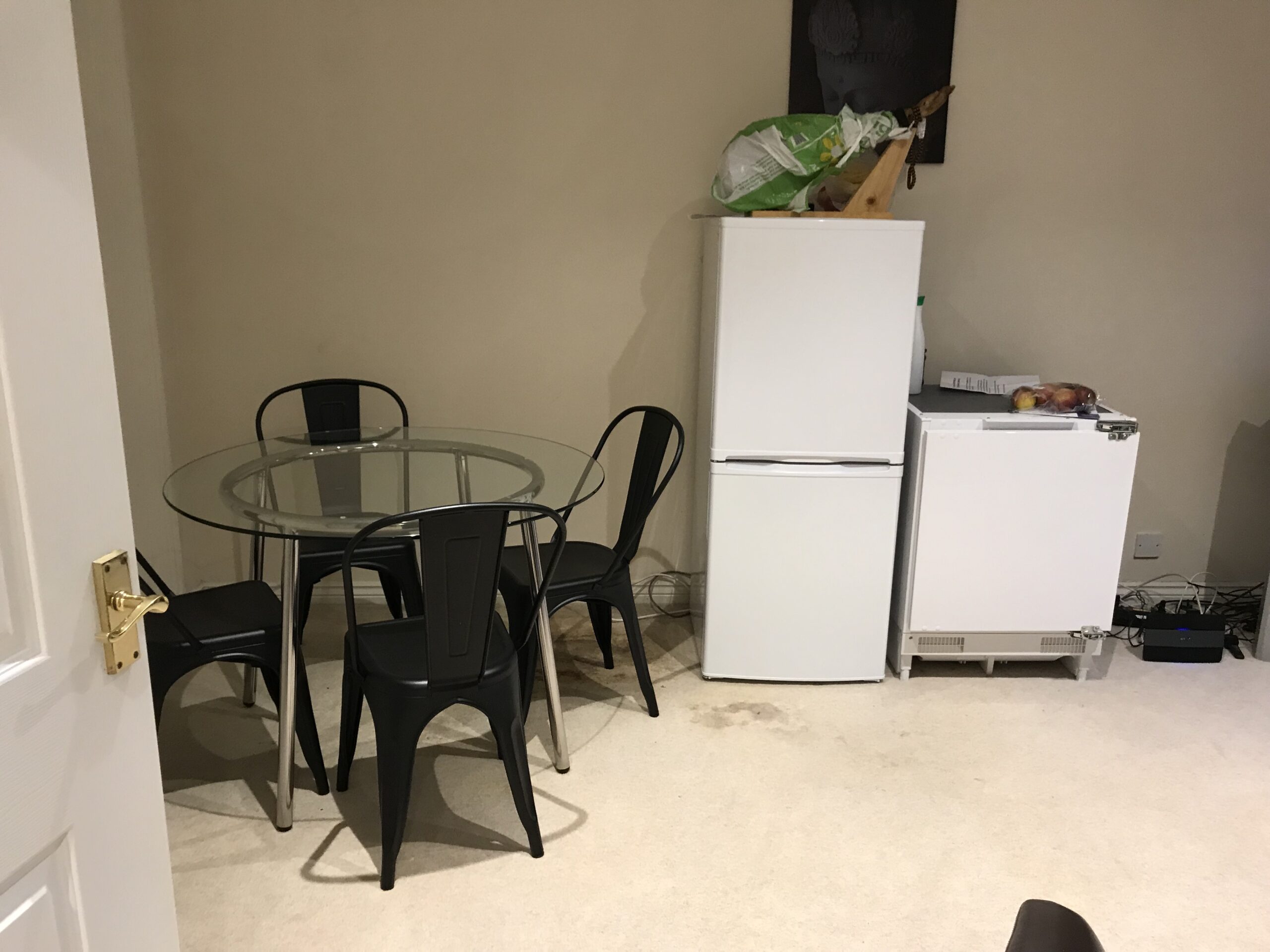
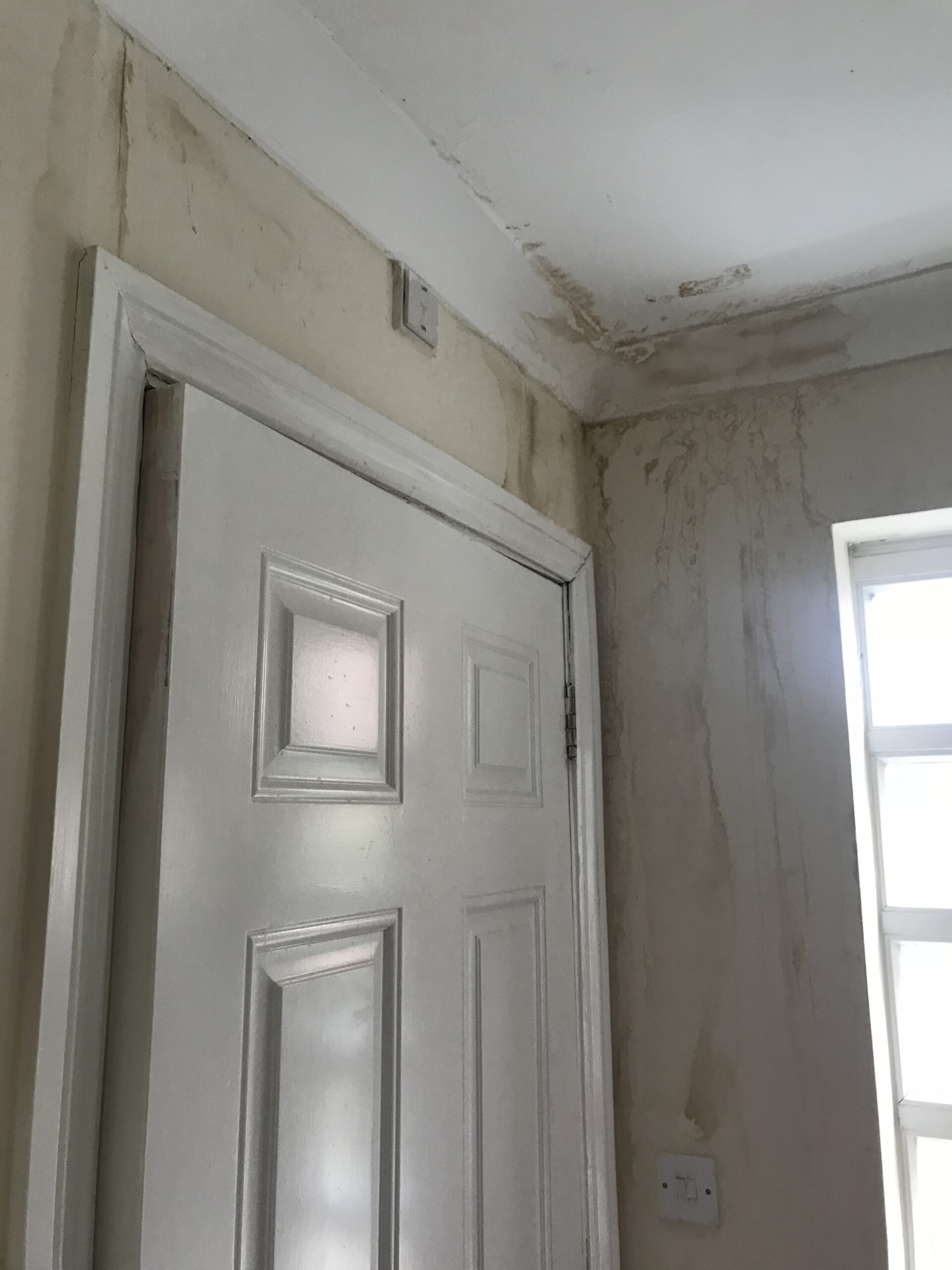
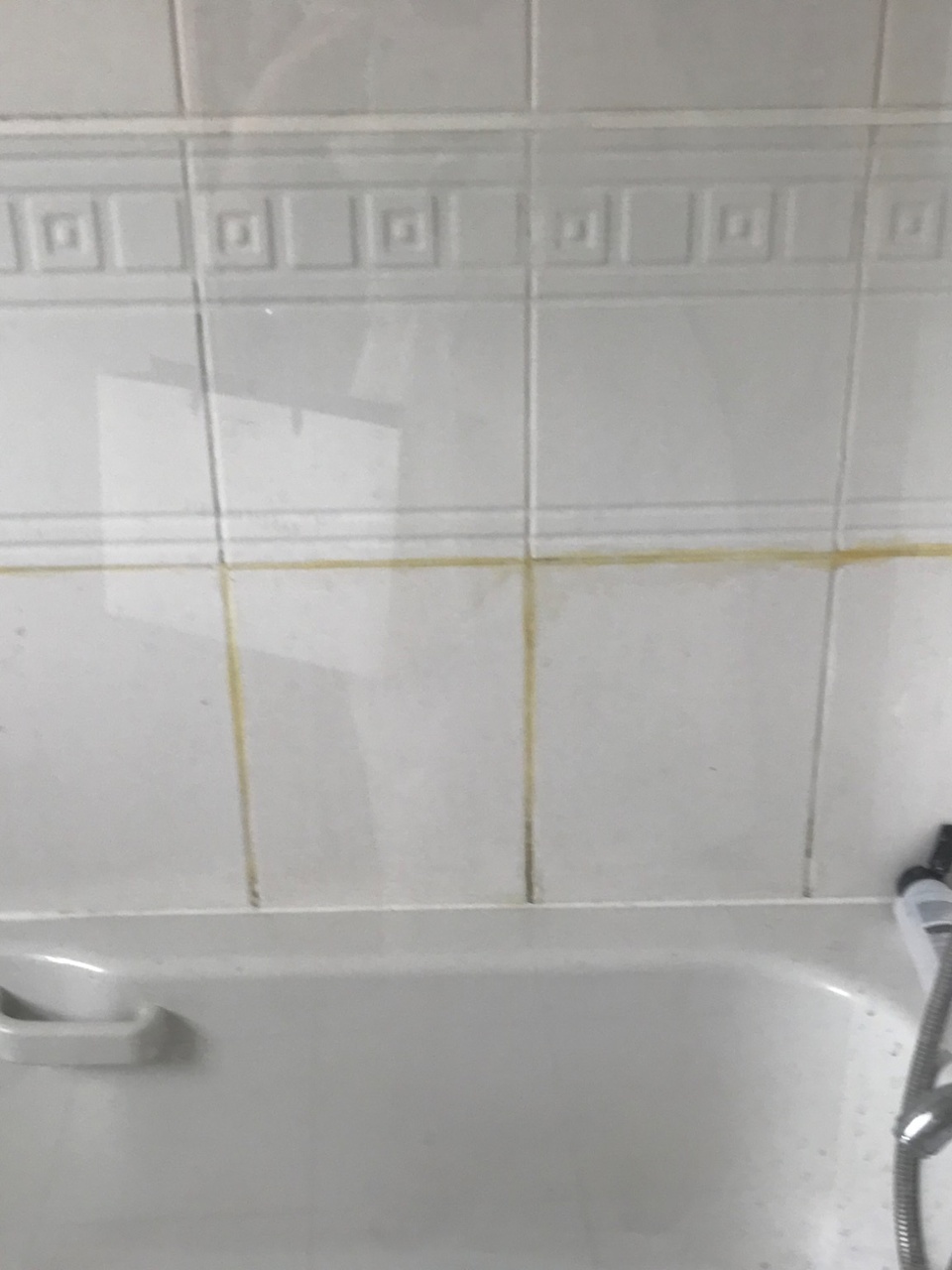
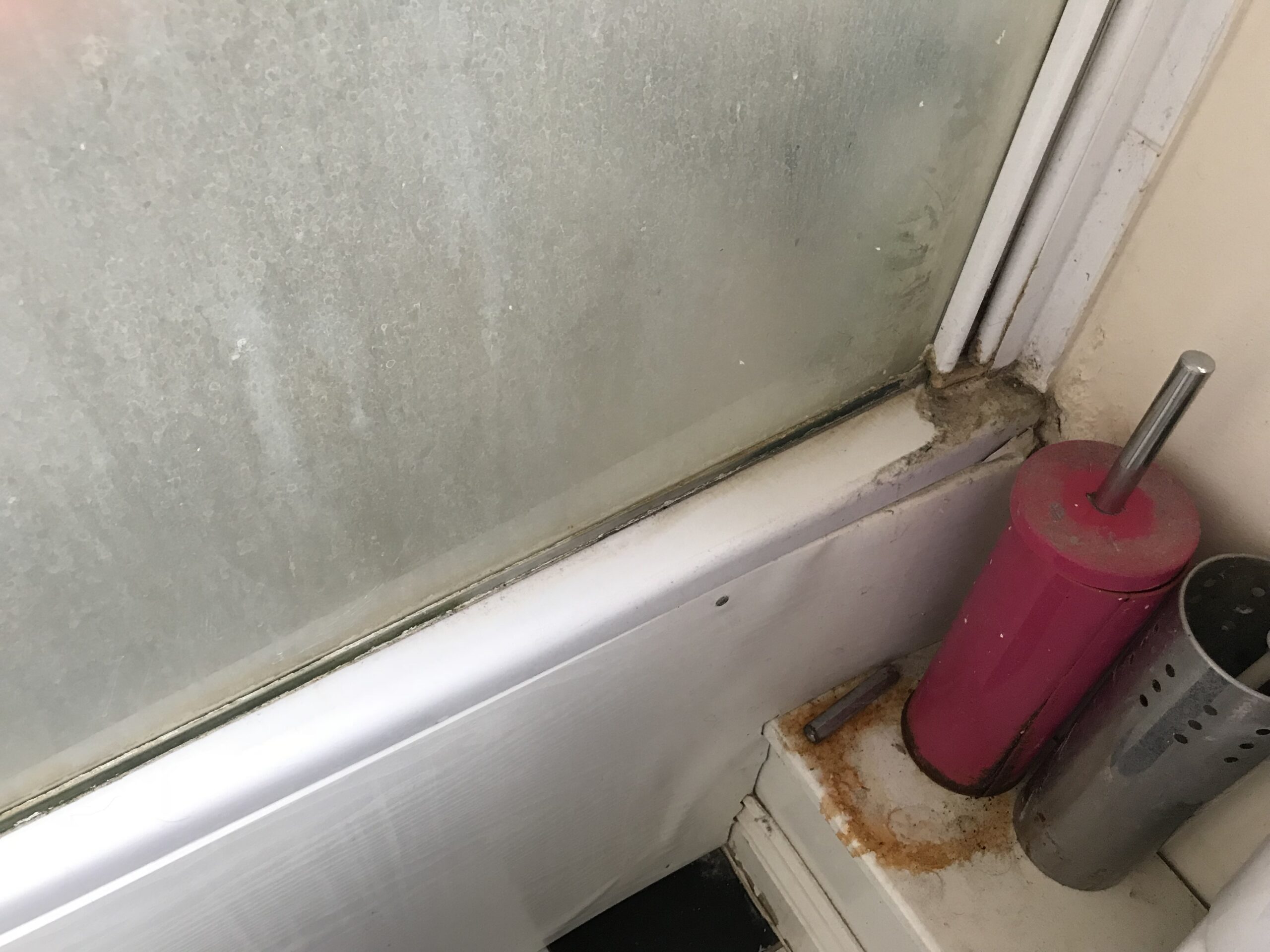
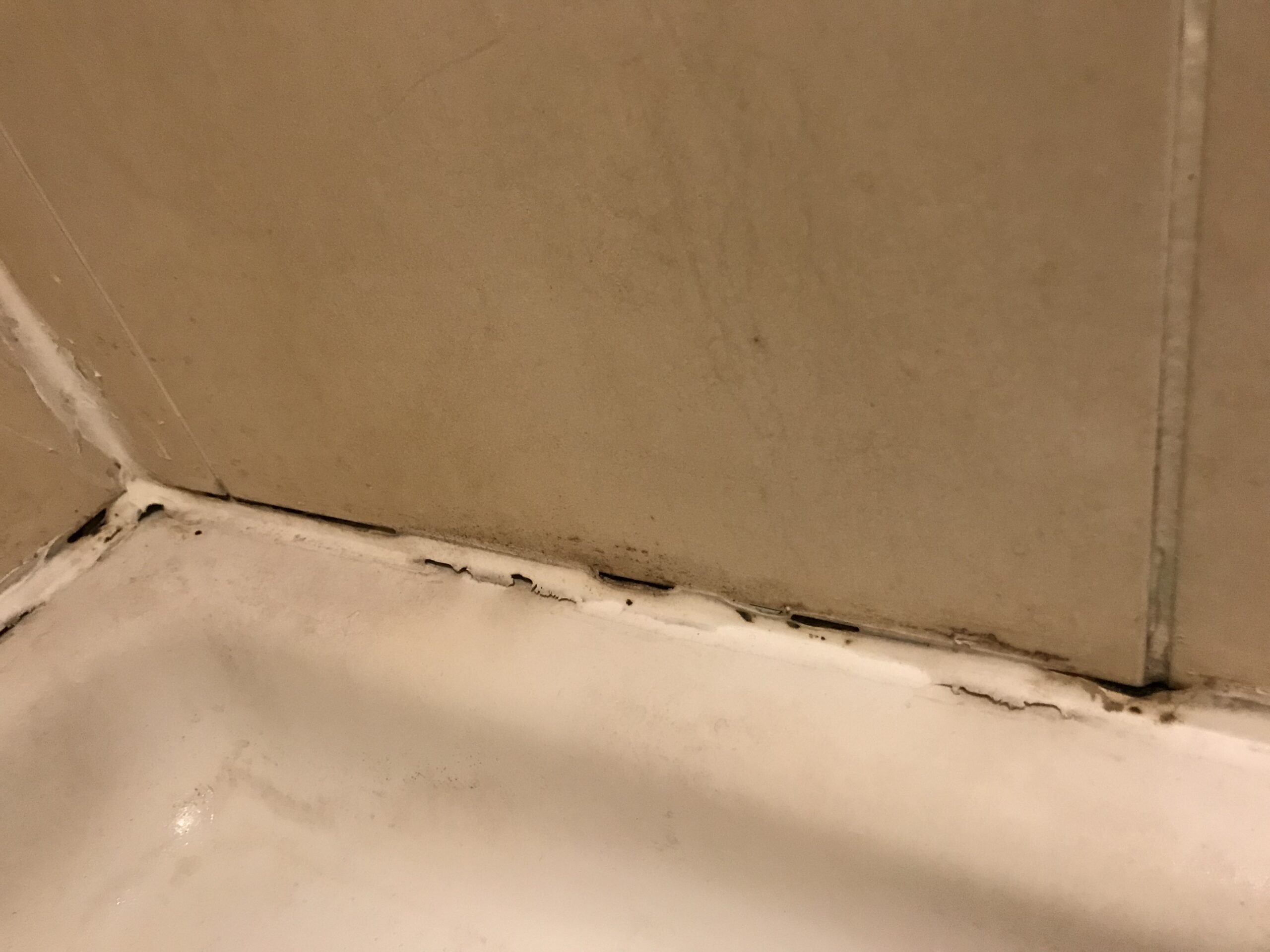
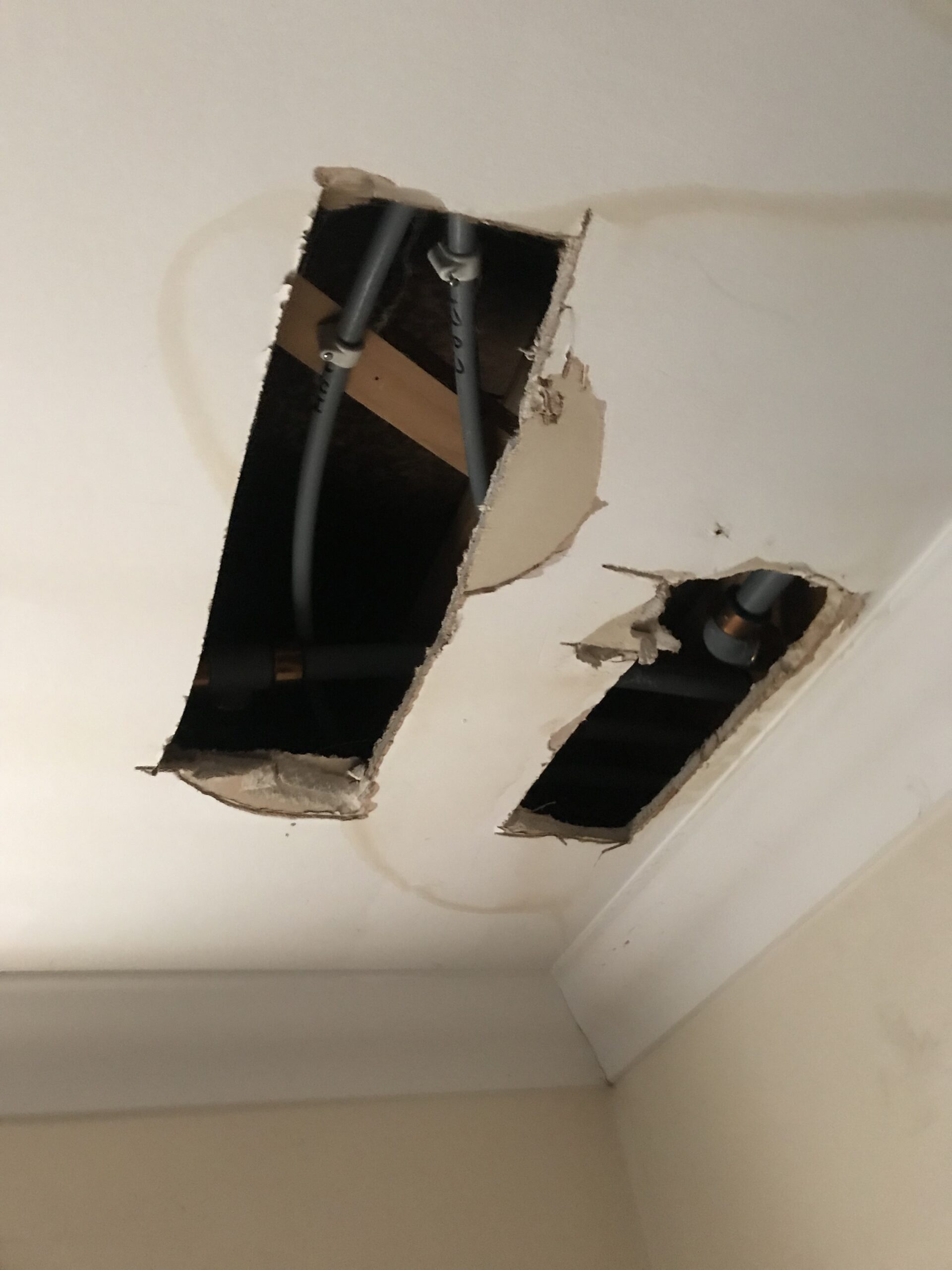
The situation at Takeover
Across 17 HMOs and 110 rooms, the properties had been neglected for years.
The houses hadn't been professionally cleaned in months. Repairs were unresolved. Gardens were overgrown. Multiple houses were carrying significant voids. Tenants were frustrated and losing trust.
More concerning still, the issues visible on day one were only the beginning.
As we dug deeper, we uncovered serious compliance failings, illegal overcrowding, anti-social behaviour, domestic violence cases, missing tenant deposits and multiple tenants in arrears.
The portfolio was collecting just 68% of its potential income, before even considering optimising the values.
We completed takeover in just 7 days.
What followed was an 18-month recovery involving emergency stabilisation, operational recovery, complex case resolution and large-scale portfolio optimisation.
By the end of the turnaround, occupancy had reached 100% and gross portfolio rental income had increased from £36,000 to £57,000 per month.
The Challenges
Property Condition
The physical condition of the portfolio reflected years of neglect.
Across all 17 properties, repairs had been allowed to accumulate over a prolonged period. Gardens were heavily overgrown, many properties had active & unresolved leaks, communal areas were cluttered, previous repairs were cheaply and poorly executed, and most houses contained dated, damaged or mismatched furniture.
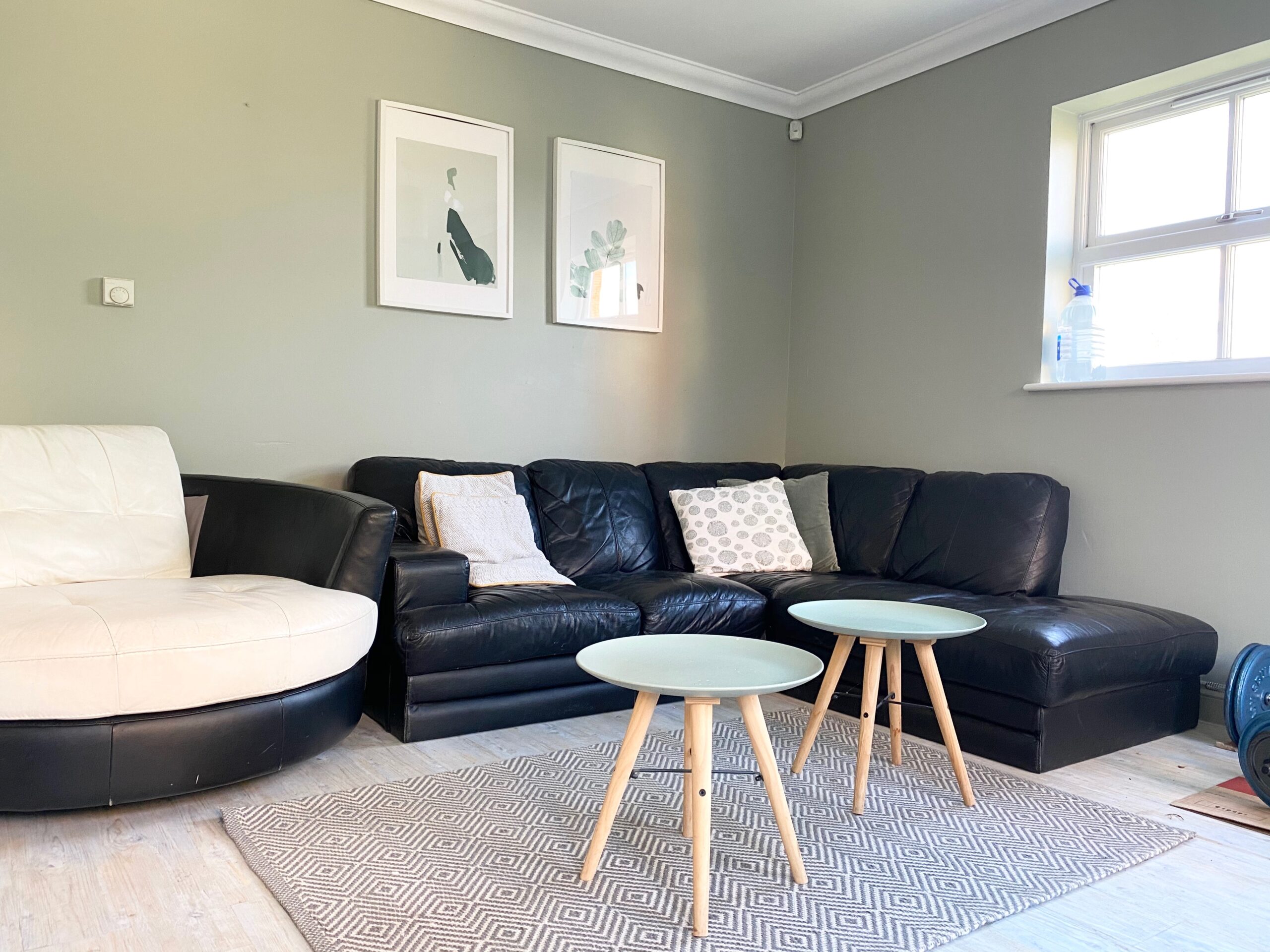
In several properties, the layout itself was working against tenant satisfaction. Living areas had become impractical and uncomfortable, with spaces dominated by excess appliances, broken furniture and poor use of space.
The condition of the houses was affecting both tenant experience and marketability.
Tenant Issues
The visible property issues were only part of the challenge.
As communication improved and trust began to build, more serious tenant-related issues started to emerge.
These included anti-social behaviour, domestic violence cases, non-paying tenants, physical disputes between housemates, and one tenant who had a contract for the small room in the house was actually residing in the most expensive room.
In more than one property, tenants had been living with serious anti-social behaviour for an extended period but felt too intimidated to formally report it.
In others, safeguarding concerns required careful and sensitive handling.
These were not simply management issues. They required professionalism, judgement and calm leadership.
Compliance Risks
As we dug deeper into the portfolio, significant compliance issues came to light.
These included illegal overcrowding, gaps in safety compliance, missing documentation and tenant deposits that had not been properly protected under previous management arrangements.
The stolen or 'missing' deposits created a particularly complex challenge, requiring careful handling to protect both landlord interests and tenant relationships.
Resolving these issues required immediate prioritisation to reduce risk and prevent further exposure.
Commercial Performance
Commercially, the portfolio was underperforming on multiple levels.
Although physical occupancy was low due to 26 void rooms, the income issue went much deeper than vacancy alone.
Rent arrears, poor management systems and operational inefficiencies meant the landlord was receiving only a fraction of the portfolio’s true earning potential.
Despite a gross monthly rent roll of approximately £36,000 at the time, the landlord was receiving just £8,000 per month from the previous operator.
The portfolio was functioning far below its true potential.
Our Approach
We approached the turnaround in three clear phases.
The priority was not simply to fill rooms or carry out repairs. The objective was to stabilise operations, restore trust, reduce risk and rebuild long-term performance.
Phase 1: Emergency Stabilisation (Days 1–30)
The first priority was to gain control and stabilise the portfolio.
This involved carrying out full inspections across all 17 properties, identifying immediate risks, opening communication with tenants and creating a clear action plan.
Urgent repairs were prioritised, critical issues were identified, and immediate steps were taken to stop further deterioration.
At this stage, the focus was on creating visibility, control and structure.
Phase 2: Operational Recovery (Months 1–6)
Once immediate risks were stabilised, attention shifted to operational recovery.
We worked systematically through outstanding repairs, maintenance backlogs and property presentation issues.
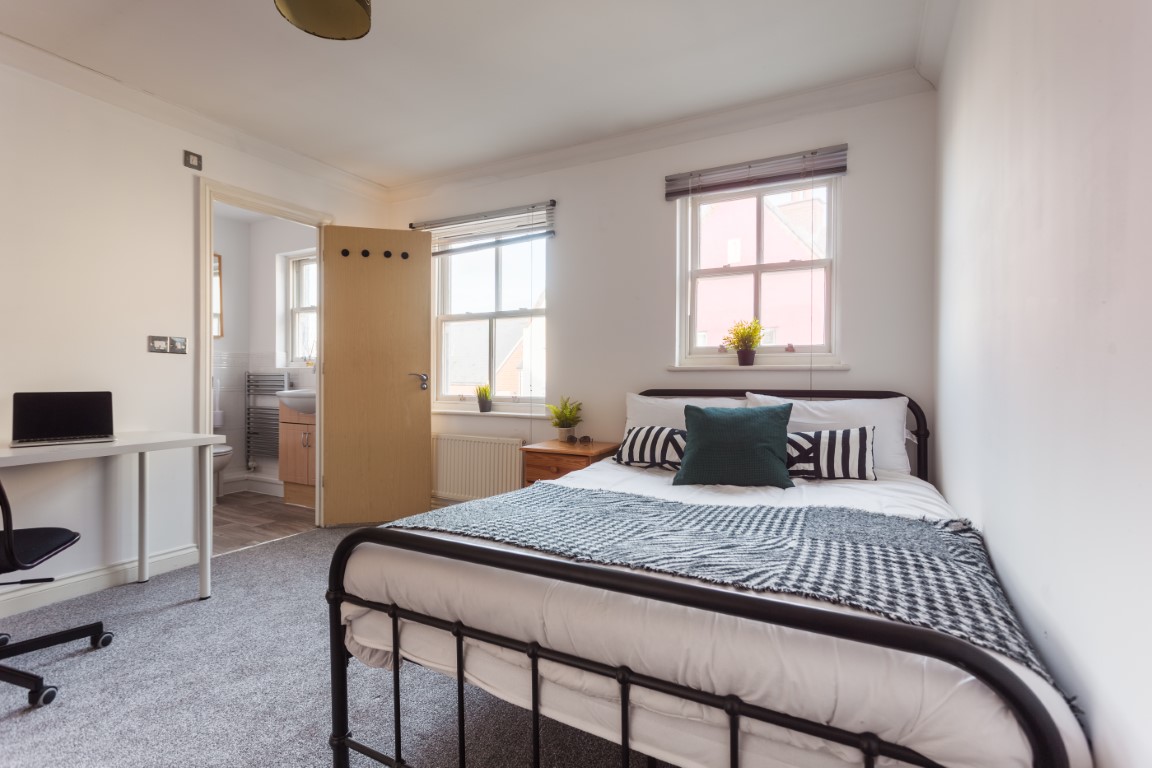
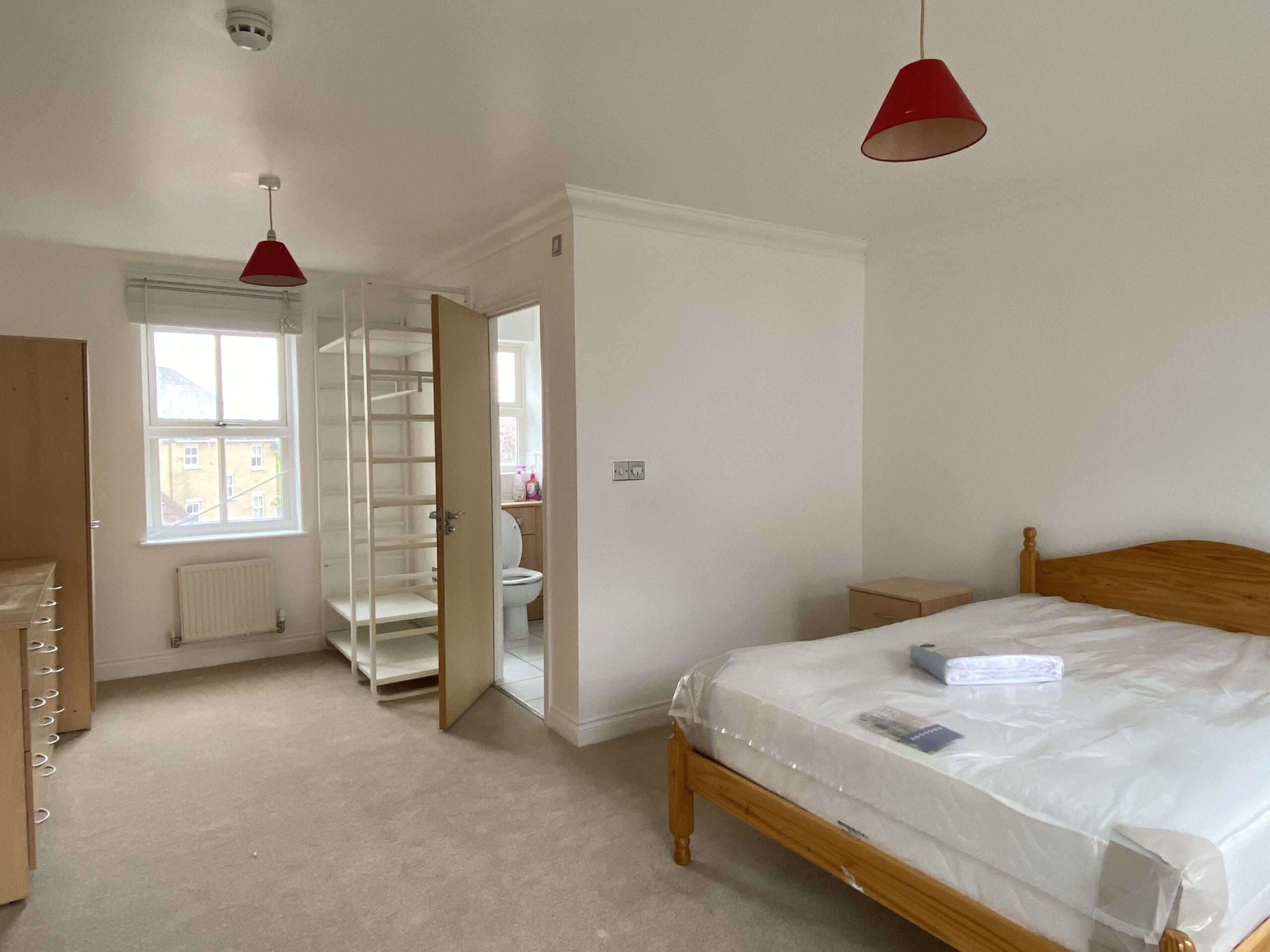
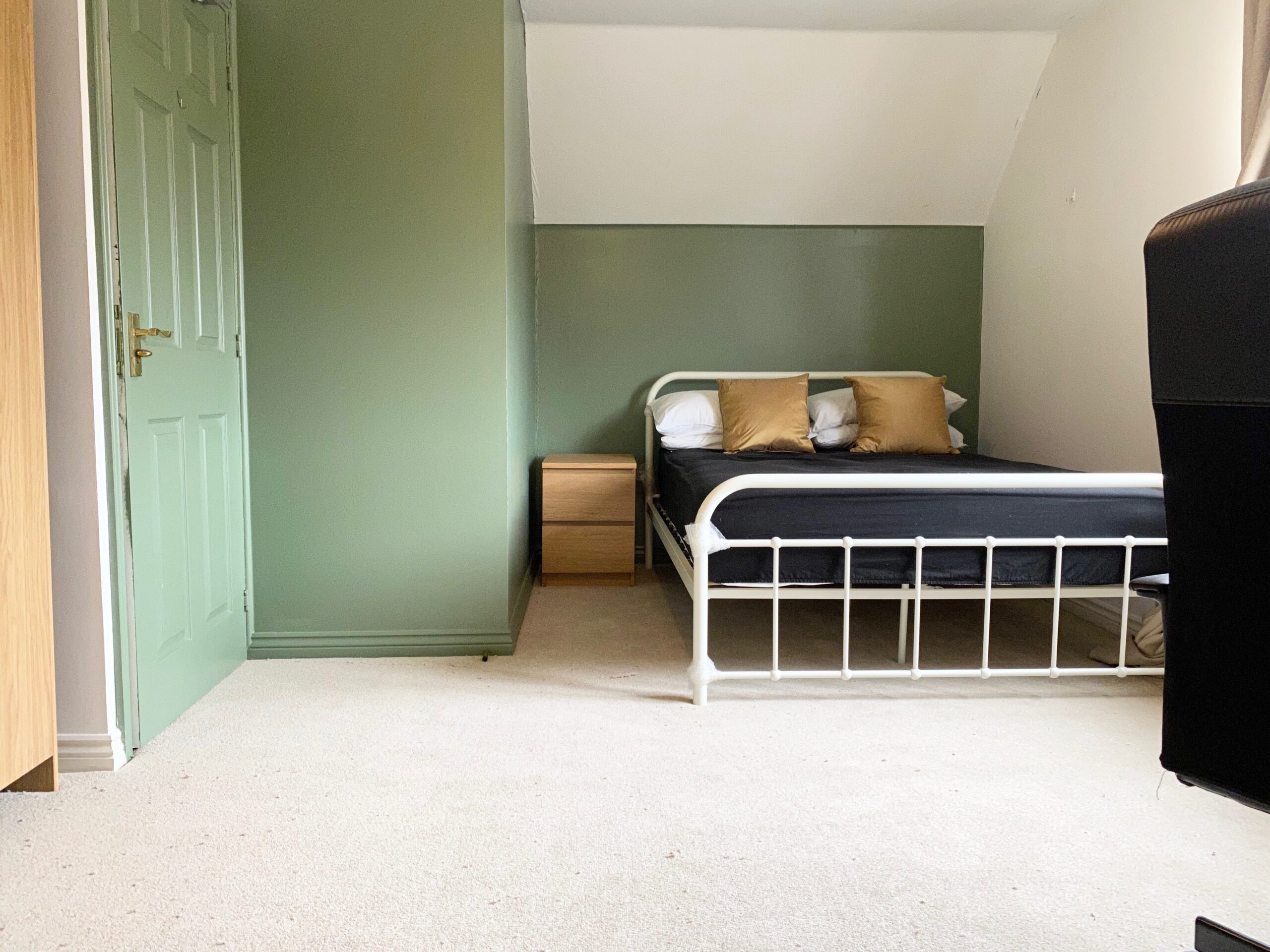
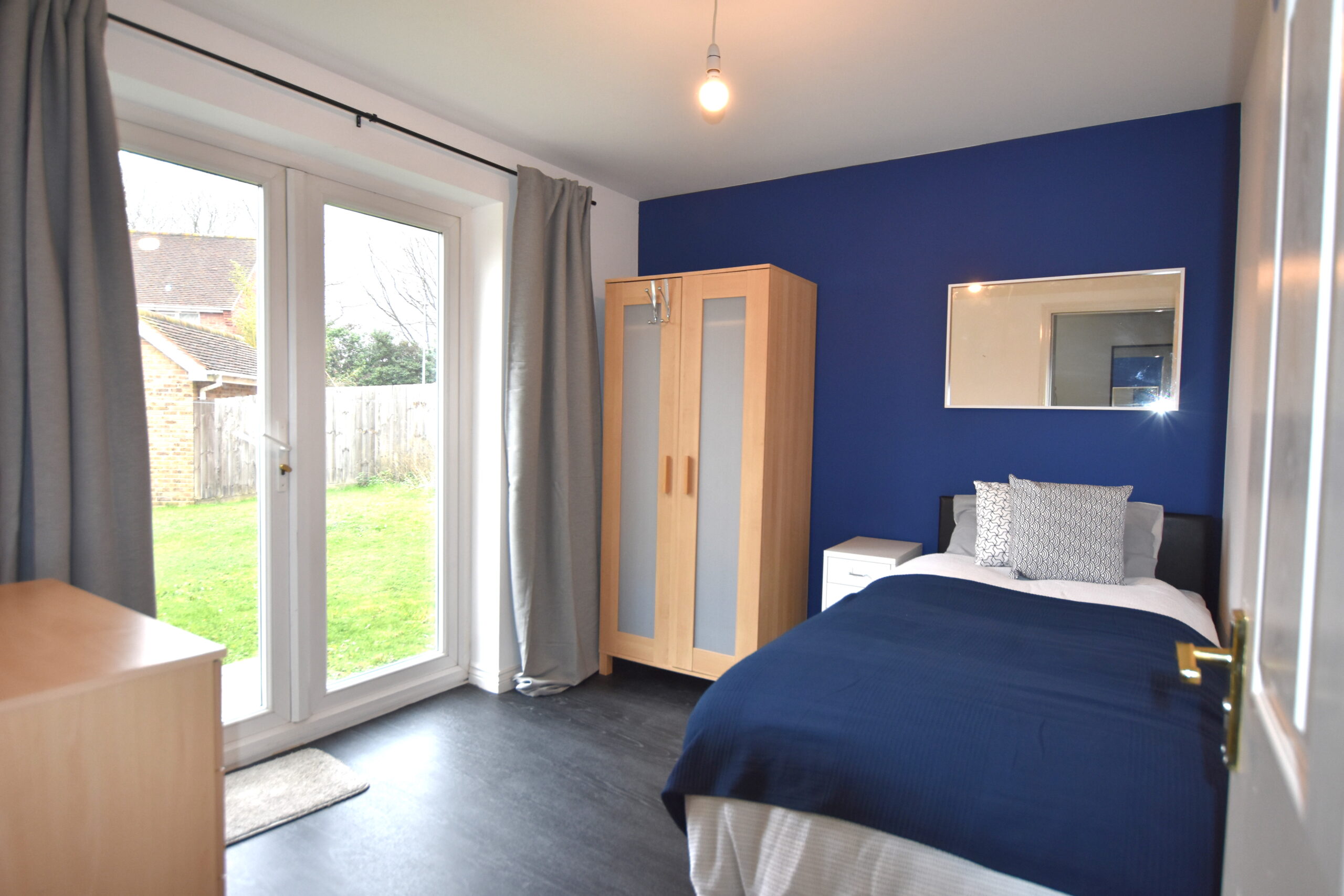
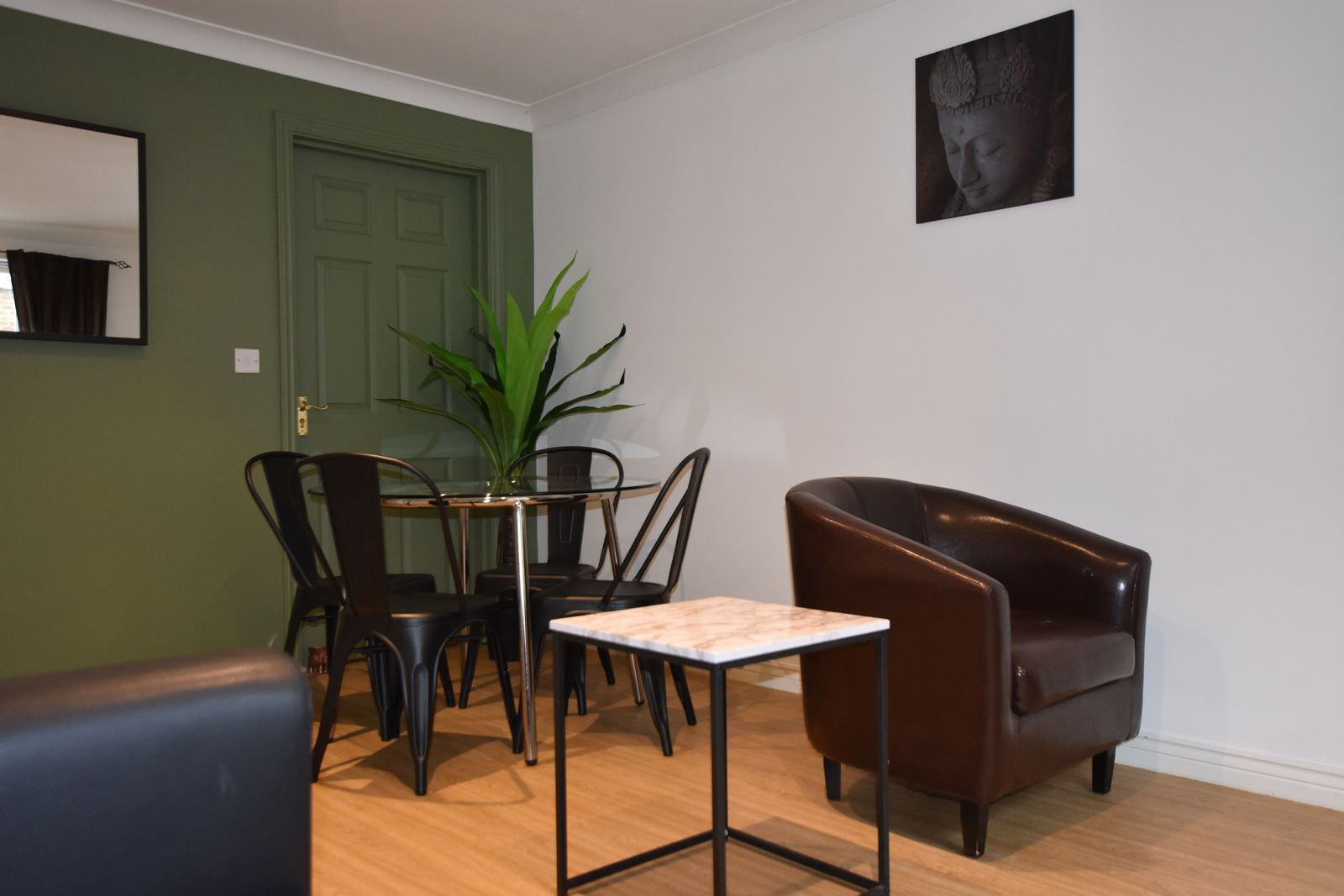
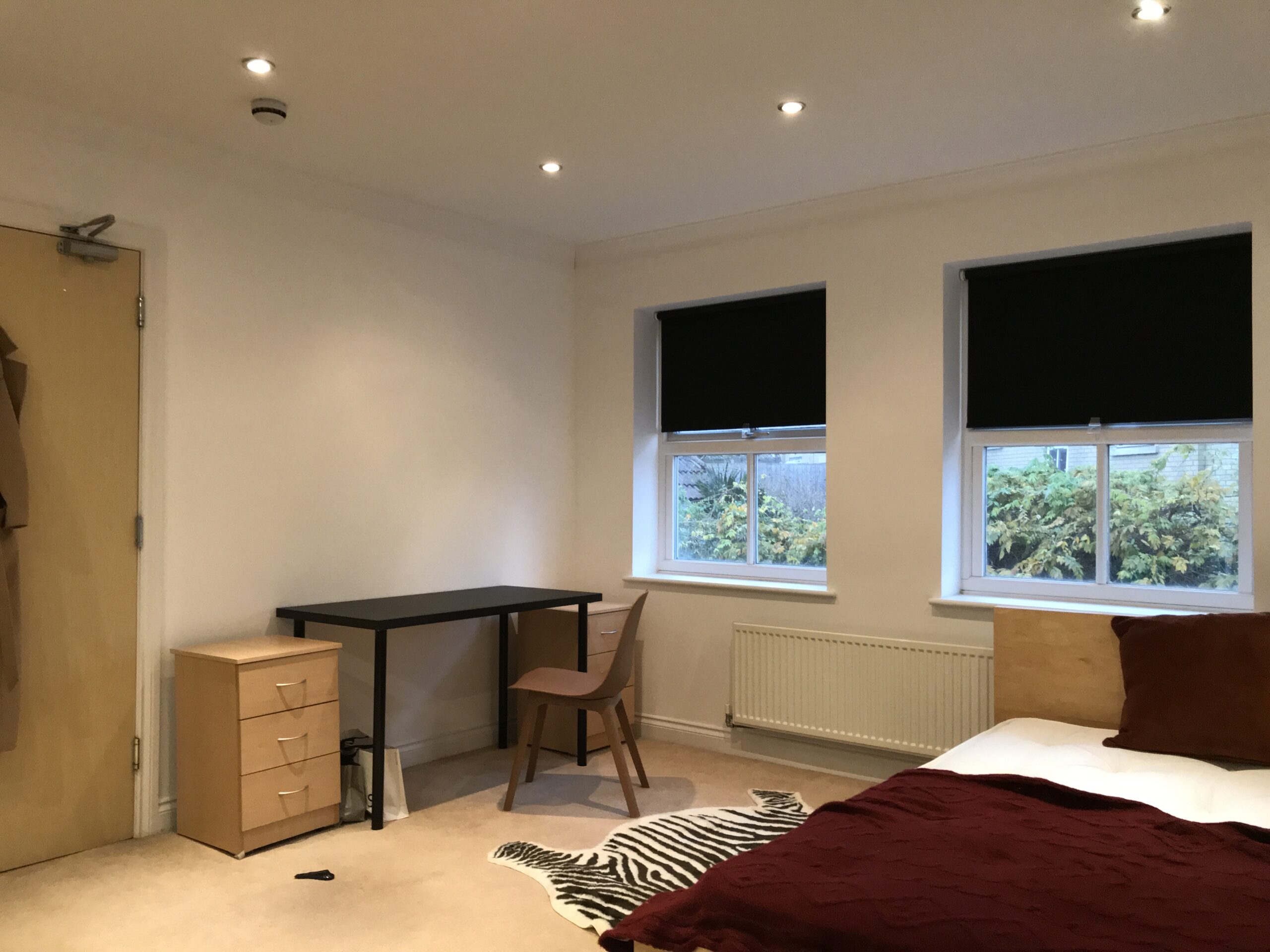
Gardens were restored, communal spaces decluttered, and houses with significant vacancies underwent light refurbishments to improve appeal and increase income performance.
At the same time, we introduced Seneca’s management systems, processes and communication standards for both the landlord and the tenants.
This phase also brought the most serious hidden issues to light, including compliance failures, deposit issues, anti-social behaviour and rent arrears.
Phase 3: Complex Case Resolution & Portfolio Optimisation (Months 6–18)
With operations stabilised, focus shifted to resolving the portfolio’s most complex problems and optimising long-term performance.
This included resolving deposit issues, addressing compliance gaps, managing evictions, handling safeguarding concerns and resolving illegal overcrowding.
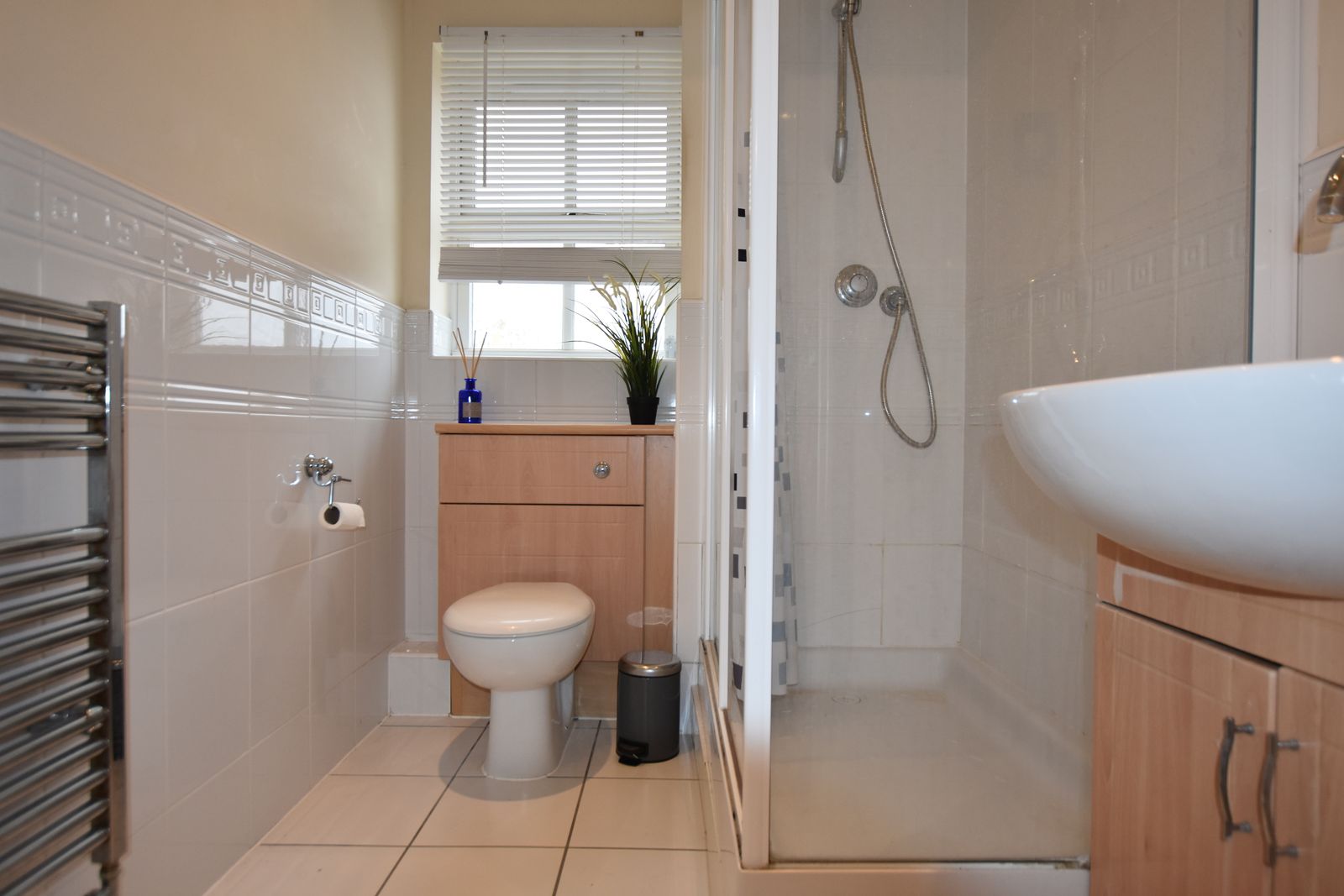
At the same time, we carried out extensive redesign and refurbishment works across much of the portfolio.
These improvements needed to be delivered carefully and economically, and with tenants still living in the properties.
Each decision had to balance cost, practicality, durability, visual improvement and tenant comfort.
The goal was not simply to repair the portfolio, but to reposition it for long-term success.
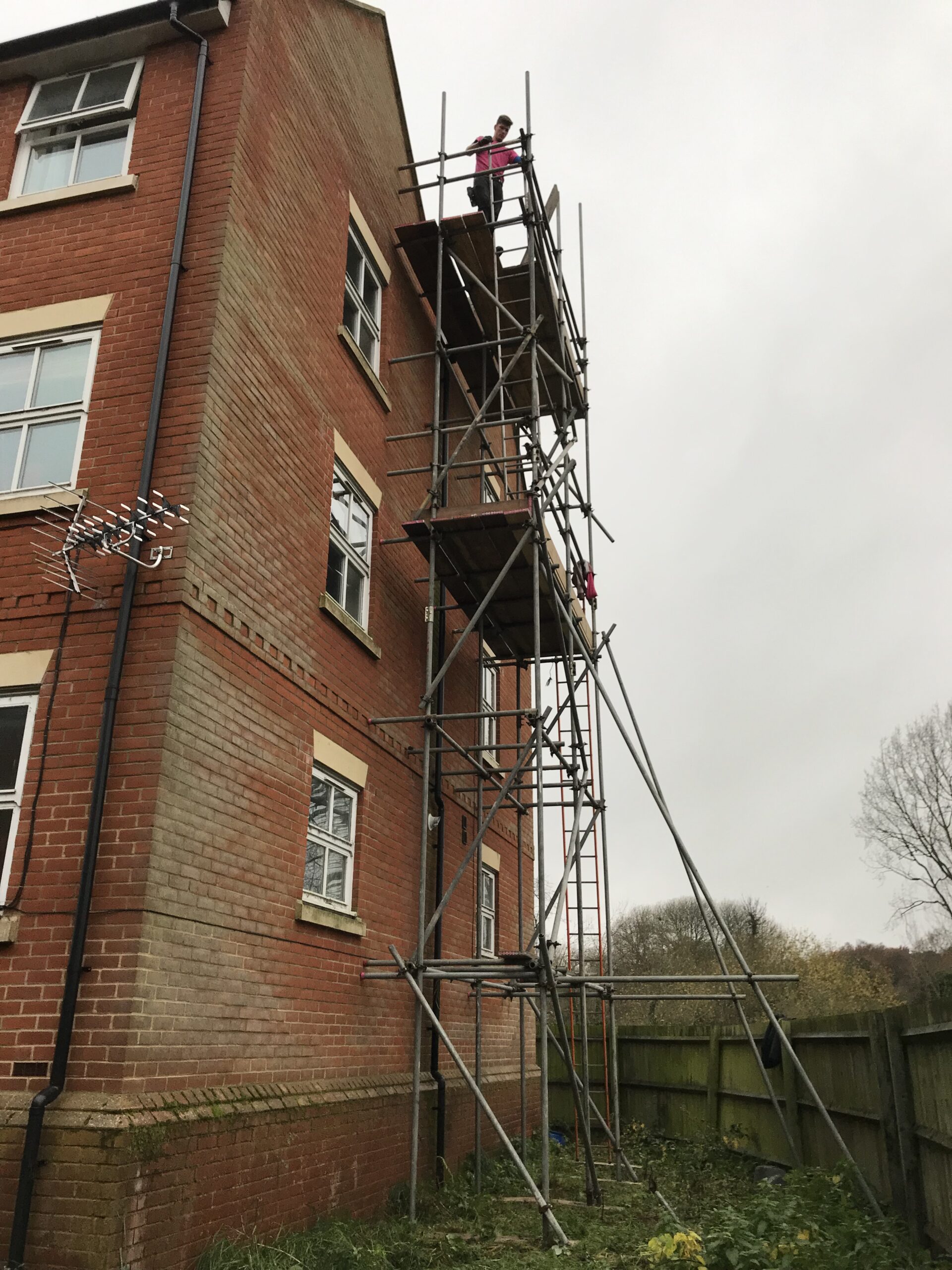

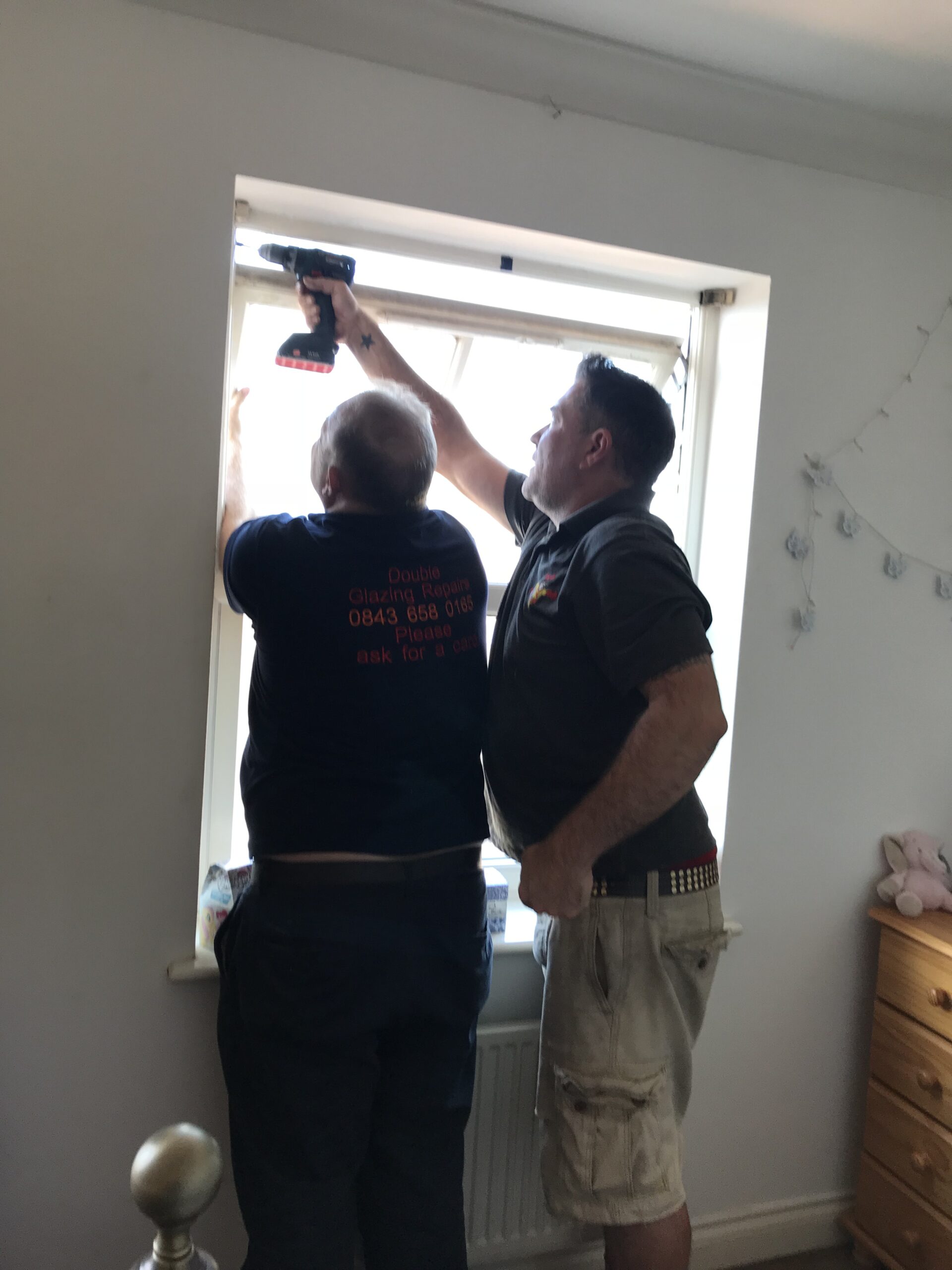
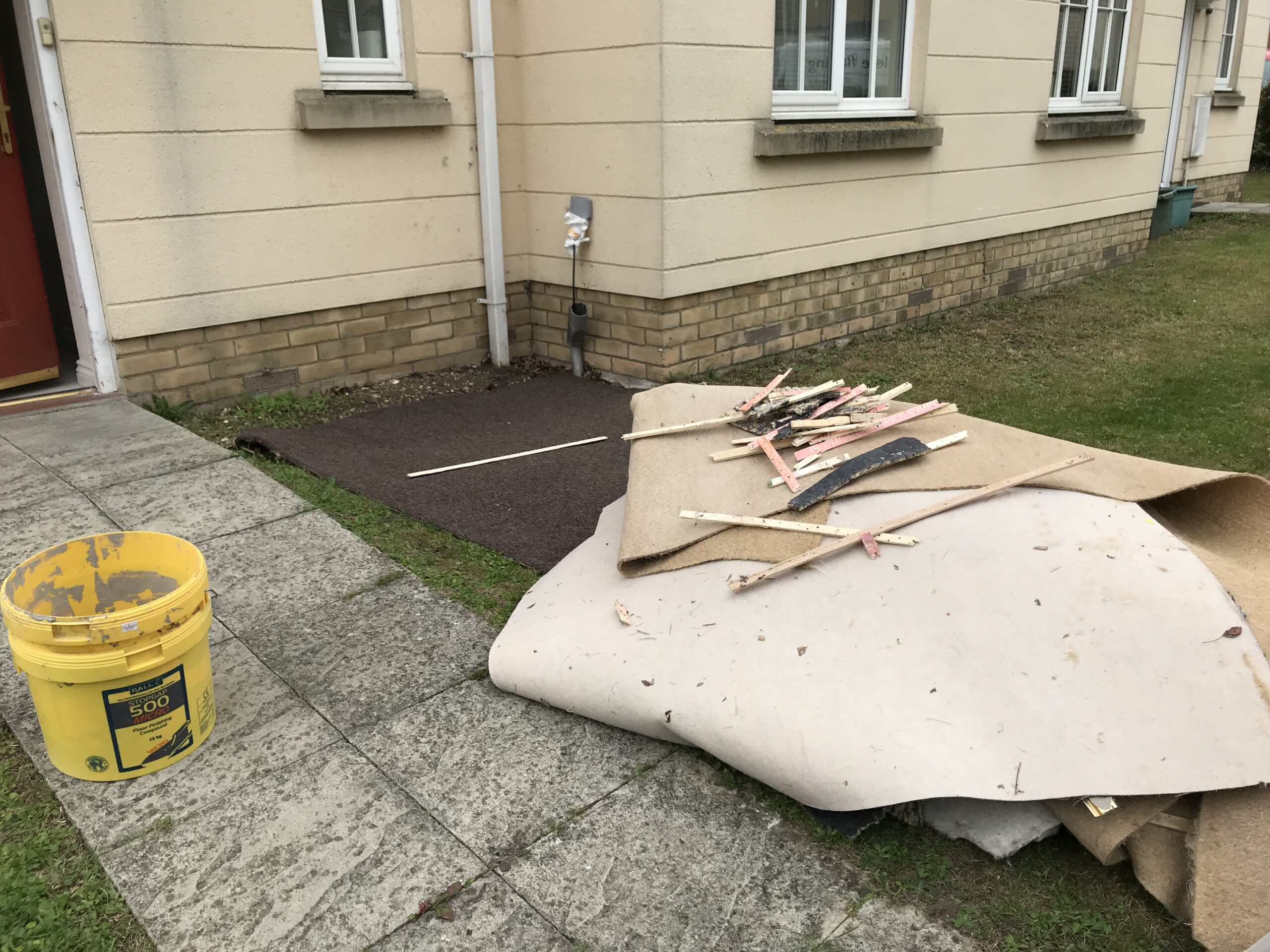
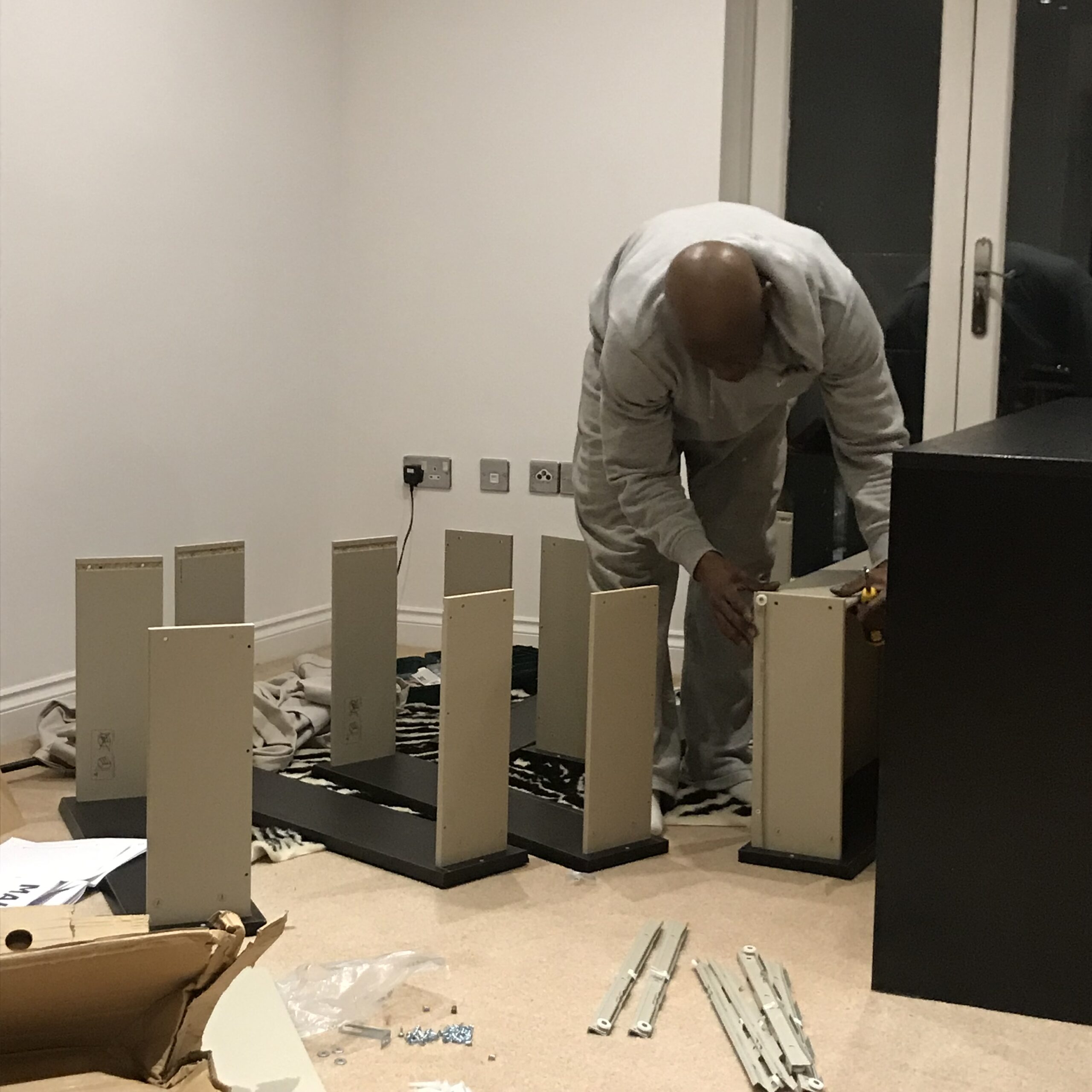
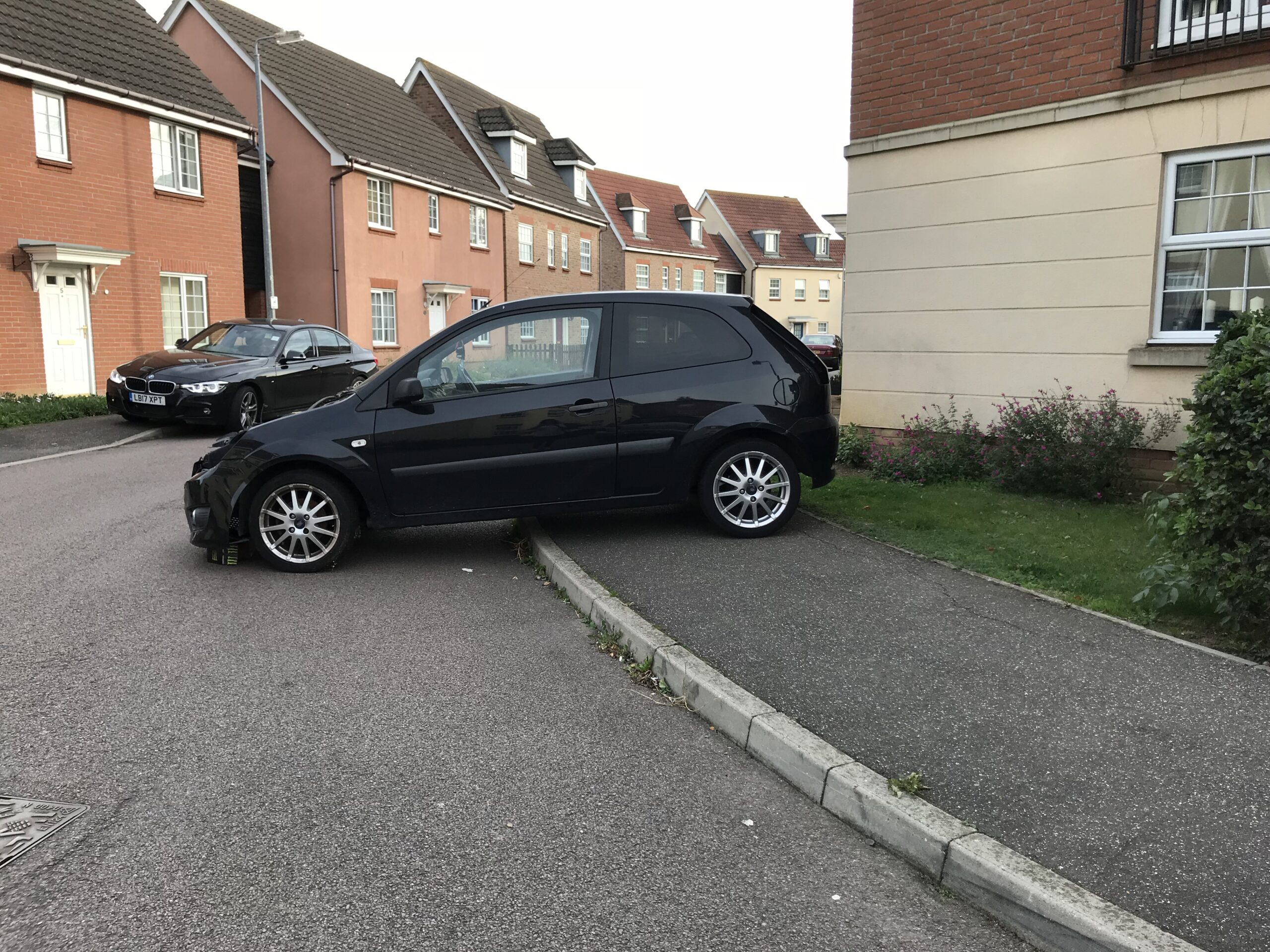
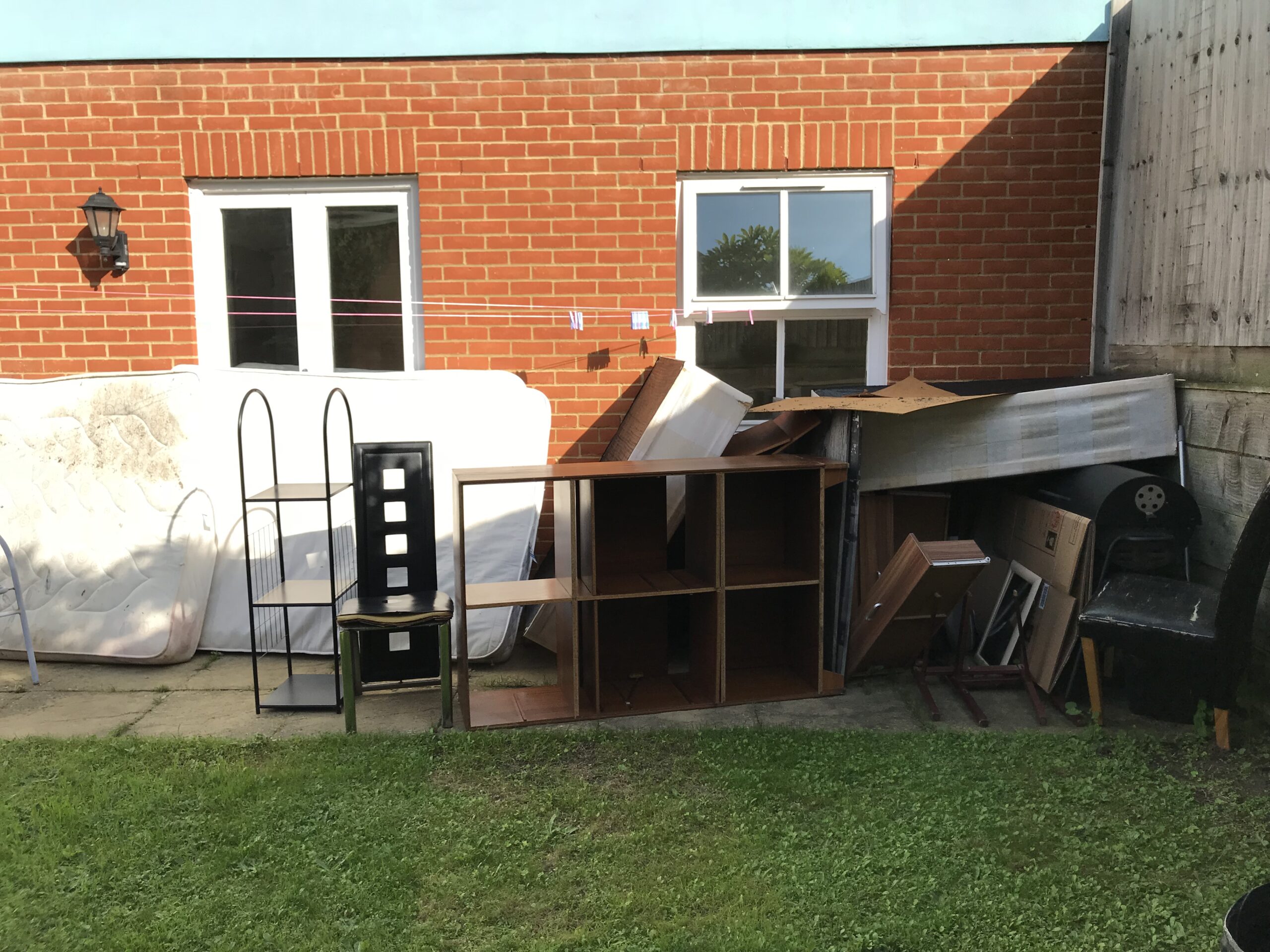
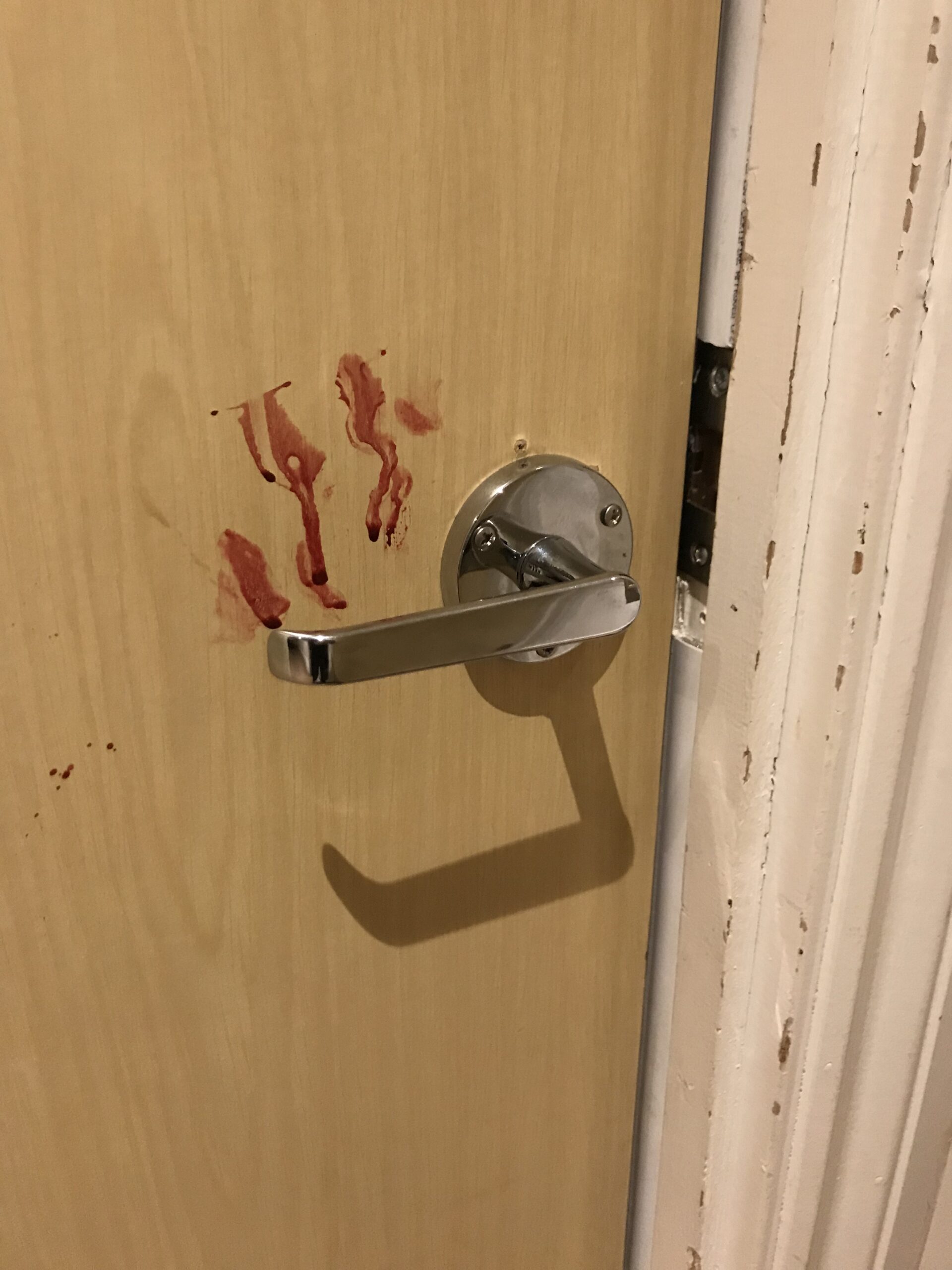
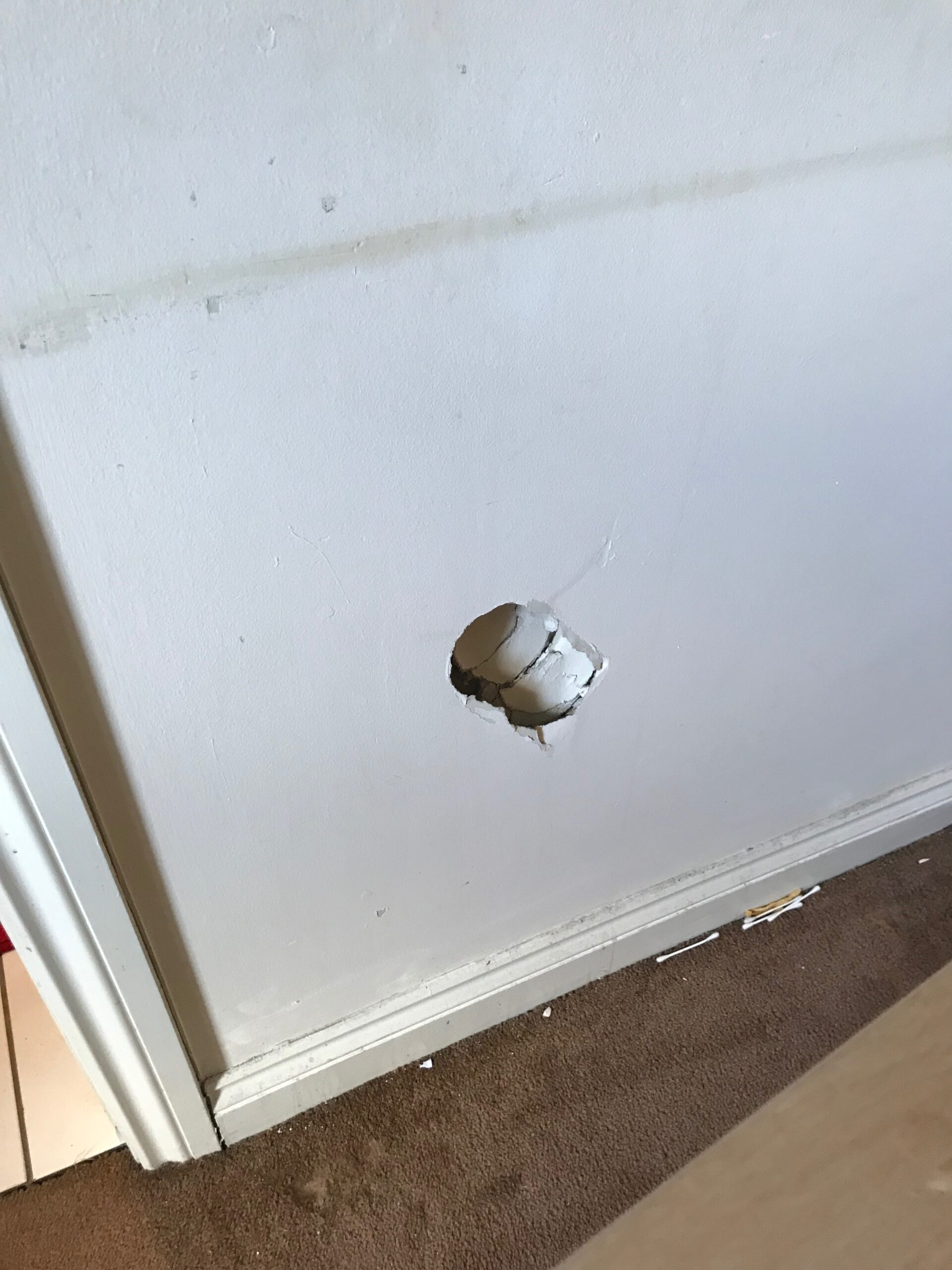
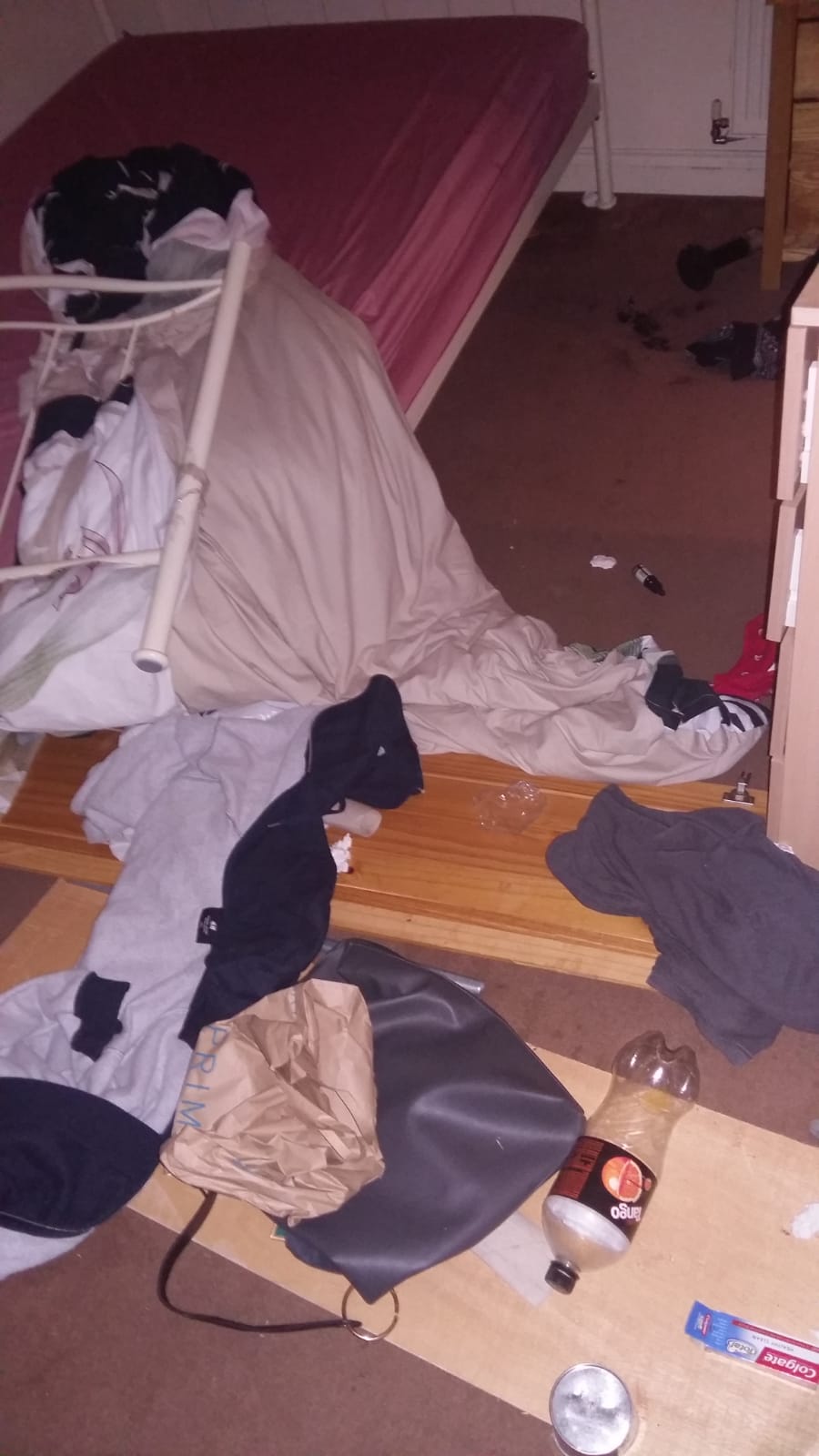
What recovery actually looked like...
Recovery on this scale is never about one or two big decisions.
It is built through hundreds of small operational decisions, handled consistently over time.
Within the first month alone, 12 more tenants either handed in notice or disappeared, increasing vacancies even further.
Within the first 6 months, we secured 67 new tenants.
At the same time, we tackled an enormous volume of maintenance and operational issues.
In the first 6 months alone we replaced:
- 19 toilet cisterns
- 7 kitchen taps
- 8 fridge freezers
- 5 washing machines
- 4 shower units
- 28 beds
- 33 mattresses
- 4 boilers
- 8 extractor fans
- 23 window mechanisms
- 3 fire doors
- 13 fire door closers
- We also cleared drains in multiple properties
- Fixed faults in 13 fire alarm systems
- Removed 10 van loads of furniture and waste
- Repaired flooring and glazing
- Removed an abandoned vehicle
- Worked alongside police across 3 towns on serious tenant incidents
...all while continuing to manage the portfolio for the landlord day to day.
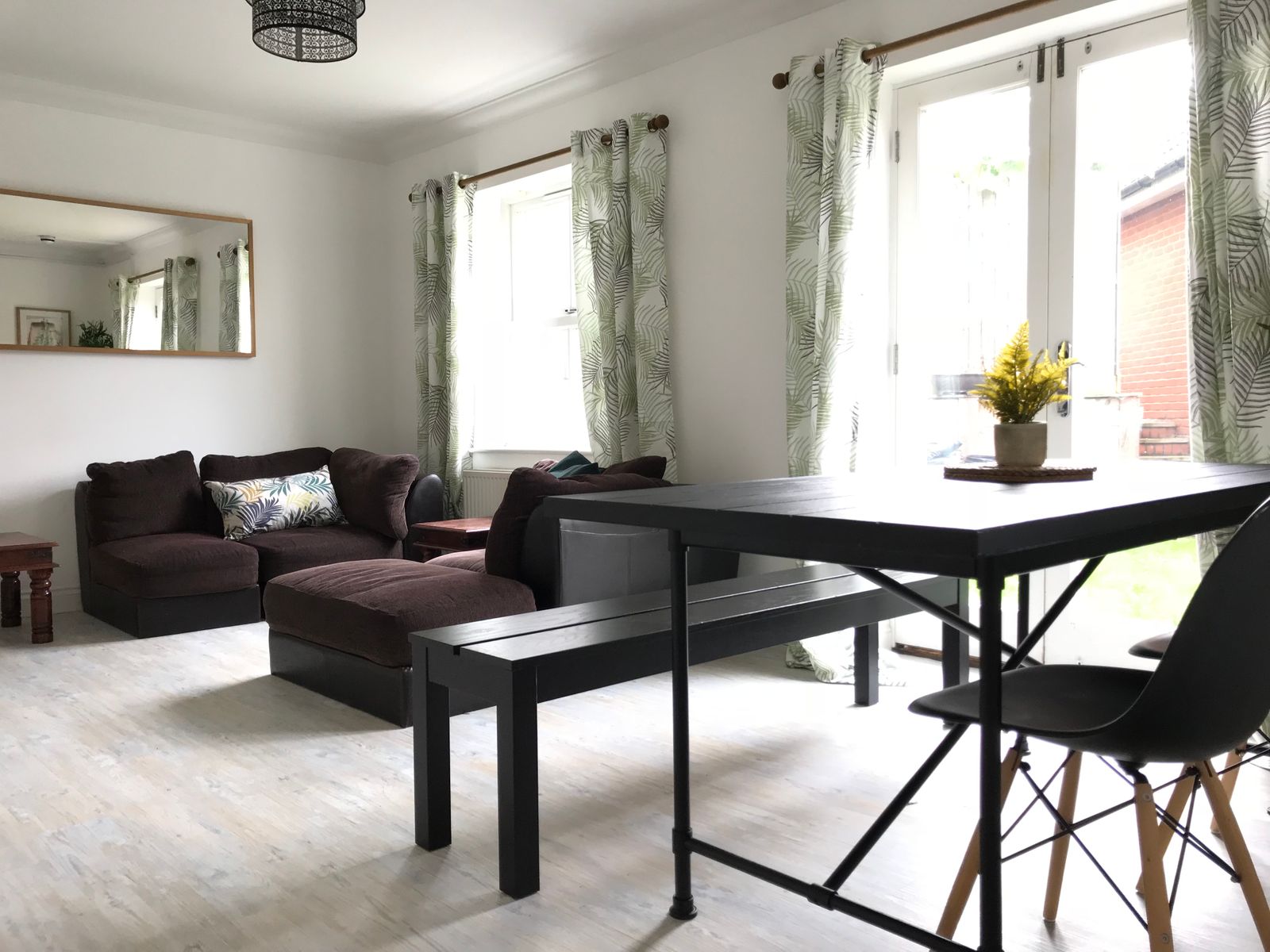
The Outcome
After 18 months, the transformation was substantial.
Portfolio results:
- Occupancy increased to 100%
- Portfolio income increased from £36,000 to £57,000 per month
- Landlord monthly income increased from £8,000 to £20,000+ 9 months into recovery
- Major compliance gaps resolved
- Illegal overcrowding resolved
- Anti-social behaviour cases resolved
- Non-paying tenants removed
- Properties repositioned for long-term performance
The portfolio had moved from distress and instability to full occupancy, stronger systems and sustainable long-term performance.
Key lessons for landlords:
1. Low occupancy is rarely the real problem
Vacancy is often just the visible symptom of deeper operational issues.
2. Delayed intervention becomes expensive
Problems rarely stay small when left unresolved.
3. Systems matter more than effort
Good management is not about working harder. It is about operating better.
4. Complex problems can be solved
Even severely distressed portfolios can recover with the right leadership and support.
If your portfolio feels difficult to manage, is underperforming or increasingly complex, the problem may not be the property itself.
Often, the issue lies in systems, oversight and operational strategy.
This is exactly what our Complex Case Resolution service is designed to solve.
Need support with a difficult property or portfolio? Get in touch.
More than just lettings and management